7 Exercises to Avoid if You Have Scoliosis
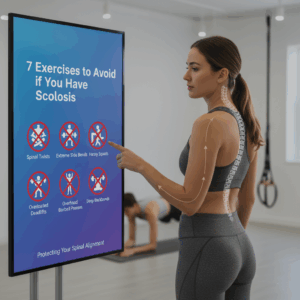 Ever caught yourself wincing after a workout, wondering if that twist or lift just made your back grumble a bit more? If you’re dealing with scoliosis, that sideways curve in your spine, picking the right moves matters a ton. We’re talking about steering clear of certain scoliosis exercises that could crank up the curve progression or spark extra back pain. Think thoracic scoliosis or lumbar scoliosis—those spots where the bend hits hardest. From my chats with folks who’ve been there, ignoring exercise risks for scoliosis is like playing tag with a porcupine; you might get away with it once, but why chance it? Let’s break down seven big no-nos, based on what experts say about keeping that spinal alignment in check without poking the bear.
First up: sit-ups. These classics crunch your core, but for scoliosis patients, they can overarch the back and mess with muscle imbalance, potentially worsening the curve. Skip ’em to avoid that exercise-induced scoliosis strain.
Number two: pull-ups. Hanging and hauling your body up sounds tough-guy impressive, but it compresses the spine unevenly, risking poor posture habits and more strain on one side.
Push-ups come in third: Great for arms, sure, but they force the chest down while arching the back, which isn’t friendly for spinal health in scoliosis cases.
Fourth: barbell back squats. Loading weight on your shoulders and dipping low? That’s a recipe for compressing the vertebrae, especially if your curve is in the lower back—hello, lumbar scoliosis trouble.
Deadlifts, especially the conventional kind, are fifth. Bending to lift from the floor pulls on the spine in ways that could speed up scoliosis curve progression prevention? Nah, more like the opposite.
Overhead presses snag the sixth spot. Pressing weights above your head shifts balance weirdly, putting extra torque on the thoracic area and inviting spinal alignment issues.
Last but not least: twisting movements with weights, like Russian twists. These scream “unsafe workouts” for scoliosis because they rotate the spine under load, amping up risks of curve progression and back pain.
Bottom line? These are exercises to avoid scoliosis flare-ups. Chat with a non-surgical scoliosis specialist before diving into any routine—they’ll tailor things to your specific bend.
Why Non-Surgical Scoliosis Treatment Matters
Surgery isn’t always the go-to, and thank goodness for that. Non-surgical scoliosis treatment shines because it dodges the big risks—like long recovery times or complications—that come with going under the knife. Picture this: a buddy of mine in his 30s caught his scoliosis early, opted for bracing and therapy, and now he’s hiking without a hitch. It’s all about halting that curve in its tracks, easing back pain, and boosting daily life without the drama.
For folks in Manila, non-surgical scoliosis in Manila options are popping up more, focusing on therapies that build core stability and fix posture. Why does it matter? It empowers you to manage symptoms like poor posture or muscle imbalance through rehab, not scalpels. Plus, it prevents things from getting worse, keeping you active in work or play. Effects of scoliosis exercises done wrong? They can accelerate issues, but non-surgical paths guide you toward safer spots.
Common Risks of the Wrong Exercise Program
Pick the wrong workout, and you’re inviting trouble. Common pitfalls include unsafe scoliosis exercises that twist or compress the spine, leading to more curve progression or even exercise risks like strains. I’ve heard stories from people who jumped into yoga without guidance and ended up with worse thoracic scoliosis pain—ouch.
Key dangers: back pain amps up from poor posture habits, muscle imbalance throws off your gait, and spinal alignment issues snowball into daily aches. For scoliosis, exercise risks mean potential worsening of the curve, especially if you’re ignoring thoracic or lumbar spots. Non-surgical scoliosis specialists stress avoiding these to prevent long-term hassles. Think of it as dodging potholes on a Manila street; one wrong step, and you’re jolted.
Scoliosis Therapy and Safer Movement Alternatives
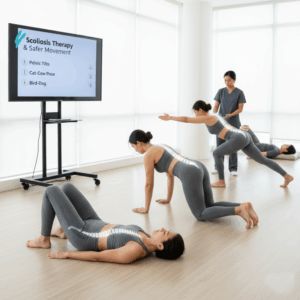 Flip the script to scoliosis therapy, and you’ve got gold. Safer movement alternatives swap out those risky moves for ones that build strength without the harm. Try pelvic tilts: lie on your back, knees bent, and gently rock your hips—great for core strength and scoliosis without twisting.
Cat-cow pose eases in next; on all fours, alternate arching and dipping your back for flexibility. Bird-dog? Extend opposite arm and leg from a tabletop position—balances muscle without strain. These scoliosis safe exercises focus on core stability, helping with rehabilitation for scoliosis patients.
In Manila, therapies for non-surgical scoliosis in Manila like the Schroth Method teach breathing and postures to correct curves. Corrective scoliosis therapy isn’t about bulking up; it’s smart, targeted work to avoid harmful scoliosis exercises.
How a Scoliosis Specialist Guides Exercise Choices
Enter the non-surgical scoliosis specialist—they’re like your personal GPS for spine health. They assess your curve, spot muscle imbalances, and craft a plan that fits. No guesswork; it’s based on your thoracic or lumbar scoliosis specifics.
They’ll nix unsafe workouts and push safe exercise alternatives for scoliosis, maybe blending in movement restrictions for scoliosis to keep you pain-free. Role of non-surgical scoliosis specialist? They monitor progress, tweak as needed, and prevent impact of exercise on spinal curve gone wrong. In Manila, specialists at places like Posture Aid guide daily activities for scoliosis patients, turning confusion into confidence.
The Role of Spinal Health and Posture Correction
Spinal health is the backbone—pun intended—of managing scoliosis. Posture and scoliosis go hand in hand; slouching worsens curves, but correction flips that. Importance of posture correction in scoliosis means standing tall reduces strain, eases back pain, and slows progression.
Scoliosis spine health thrives on habits like even weight distribution when sitting or walking. Poor posture habits? They fuel spinal alignment issues. Mix in core strength, and you’re fortifying against daily wear. Therapies emphasize this, making posture your secret weapon.
Effective Scoliosis Care Without Surgery
Who says you need surgery for solid scoliosis treatment? Effective scoliosis care without surgery leans on bracing, therapy, and exercises. Managing scoliosis without surgery keeps you moving, cuts pain, and boosts life quality.
Non-surgical scoliosis in Manila treatments include Schroth sessions or custom braces, preventing scoliosis curve progression prevention without invasion. From kids to adults, it’s about early action—scoliosis treatment that fits your life, not disrupts it.
Scoliosis in Manila: Finding the Right Support
Living in Manila with scoliosis? You’re not alone, and support’s closer than you think. Clinics like Posture Aid or PEAK Physical Therapy offer non-surgical paths, from Schroth to manual therapy.
Finding a non-surgical scoliosis specialist in Manila means checking spots in Quezon City or Makati for tailored plans. They handle everything from assessments to ongoing care, making scoliosis management feel doable amid the city’s hustle.
Benefits of Non-Surgical Scoliosis in Manila
The perks? Non-surgical scoliosis in Manila lets you skip surgery’s downtime, focusing on therapies that build strength and alignment. Benefits include less pain, better posture, and curve stabilization— all locally.
Core Strengthening for Safer Scoliosis Management
Core strength and scoliosis are buddies. Core strengthening for safer scoliosis management means exercises like planks (hold that straight line) or side planks for balance.
Core strength training for scoliosis targets stability, reducing strain. Avoid twists; stick to steady holds for rehab wins.
When to Seek a Non-Surgical Scoliosis Specialist
Spot worsening pain, visible curve changes, or breathing issues? Time to seek help. When curve hits 20-30 degrees or pain disrupts life, a specialist steps in for non-surgical fixes.
Early visits prevent big problems—don’t wait for the bend to boss you around.