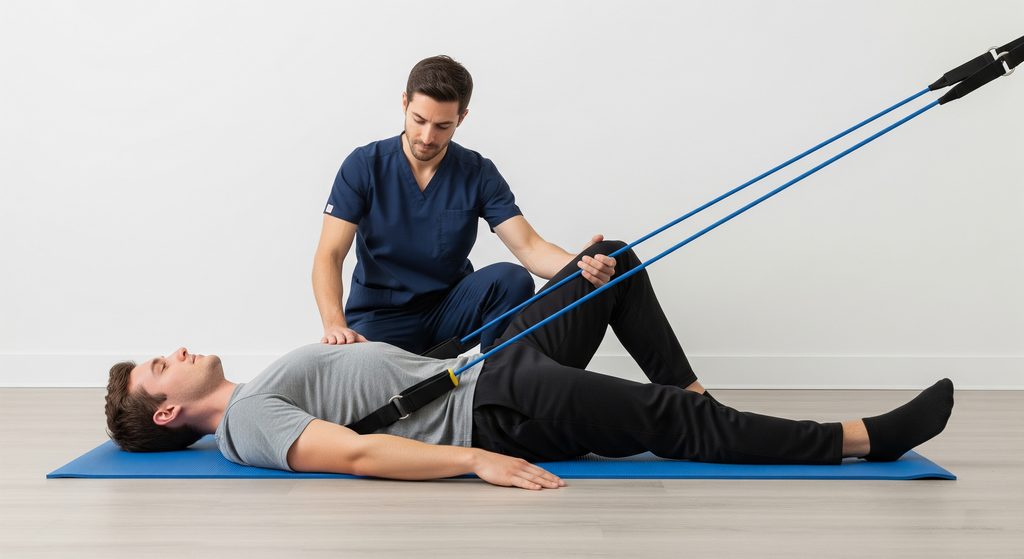
When most people hear the word scoliosis, they immediately think of braces or surgery. While those treatments may be necessary in certain situations, many individuals with scoliosis can benefit from specialized exercise-based rehabilitation designed to improve posture, movement, and spinal stability.
One approach gaining attention among scoliosis specialists worldwide is the Scientific Exercise Approach to Scoliosis, commonly known as SEAS. Developed in Italy and continuously refined through clinical research, SEAS focuses on helping individuals actively manage scoliosis through personalized exercises that can be integrated into daily life. Unlike generic stretching or strengthening programs, SEAS is specifically designed around the unique characteristics of each person’s spinal curve.
At Posture Aid, we believe that understanding your condition is the first step toward effective management. If you are exploring non-surgical scoliosis treatment options, learning about the SEAS approach may help you better understand how exercise-based rehabilitation can play a role in your scoliosis care.
What Is SEAS?
SEAS stands for Scientific Exercise Approach to Scoliosis. It is a scoliosis-specific exercise method that focuses on active self-correction, functional movement training, and long-term spinal stability.
The approach was developed through decades of clinical experience and scientific research. Rather than relying on passive correction techniques, SEAS teaches patients how to actively recognize and adjust their posture throughout everyday activities. The ultimate goal is to help the body maintain improved alignment more naturally over time.
One of the reasons SEAS has become increasingly popular is its practicality. The exercises are not designed to be performed only inside a clinic. Instead, patients learn strategies that can be applied while standing, sitting, walking, studying, working, or participating in sports and recreational activities.
How Is SEAS Different from Traditional Exercise Programs?
Many people with scoliosis have tried general fitness programs, yoga routines, stretching exercises, or online workouts. While exercise is beneficial for overall health, most standard exercise programs are not specifically designed to address the unique challenges associated with scoliosis.
SEAS takes a different approach.
Every exercise is selected based on the individual’s spinal curve pattern, posture, balance, coordination, and physical abilities. Instead of following a generic routine, patients perform exercises that target their specific needs.
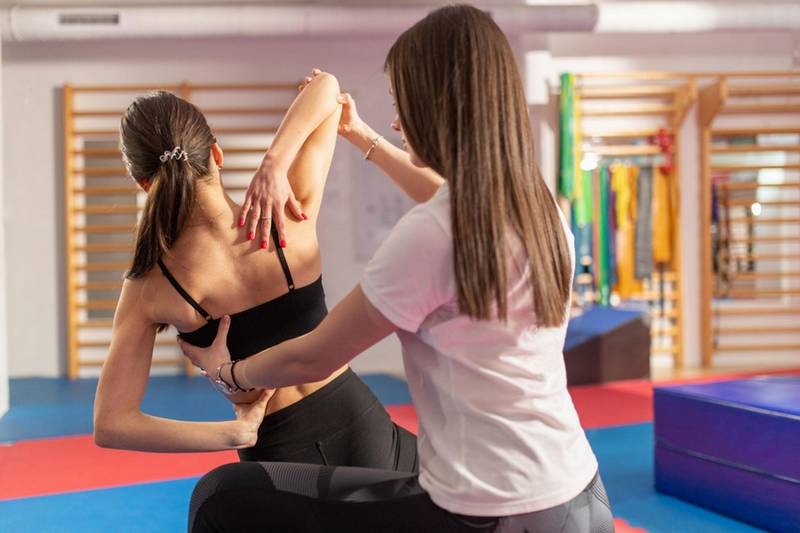
A key component of SEAS is active self-correction. Before performing an exercise, the individual learns how to place their body in a more optimal alignment. The exercise then becomes a way to reinforce that corrected position and train the body to maintain it more effectively during daily activities.
This personalized approach helps distinguish SEAS from many traditional exercise programs.
The Core Principles of SEAS Therapy Philippines
Although every treatment plan is individualized, SEAS is built around several important principles.
Active Self-Correction
Active self-correction teaches patients how to recognize their postural asymmetries and make intentional adjustments without relying on external supports.
Rather than forcing the body into a position, patients learn how to actively create improved alignment through movement and muscle control.
Functional Integration
One of the primary goals of SEAS is to help patients carry corrective strategies into everyday life.
Whether sitting at a desk, carrying a backpack, exercising, or participating in sports, patients learn how to maintain improved postural awareness in real-world situations.
Spinal Stability
SEAS places significant emphasis on improving the body’s ability to stabilize the spine.
By developing better neuromuscular control and coordination, the body becomes more efficient at maintaining alignment during movement and activity.
Individualization
No two scoliosis cases are exactly alike.
For that reason, SEAS programs are customized according to factors such as:
- Age
- Curve pattern
- Cobb angle
- Growth status
- Functional limitations
- Physical activity level
- Personal goals
This individualized approach allows treatment to evolve as the patient progresses.
Who Can Benefit from SEAS?
SEAS may be appropriate for a variety of individuals living with scoliosis.
Children and Adolescents
Young patients who are still growing often benefit from early intervention strategies that encourage postural awareness and spinal control.
For some individuals, scoliosis-specific exercises may be incorporated alongside observation or brace treatment depending on clinical recommendations.
Adults with Scoliosis
Scoliosis does not disappear when growth stops.
Many adults experience concerns related to posture, movement limitations, muscular imbalance, stiffness, or discomfort. A personalized rehabilitation approach may help improve function and confidence during everyday activities.
Individuals Seeking Non-Surgical Treatment
Not every scoliosis diagnosis requires surgery.
Many patients explore conservative treatment options first, particularly when their goals involve improving posture, enhancing movement quality, and developing better long-term spinal management habits.
What Happens During a SEAS-Based Assessment?
A successful rehabilitation program begins with understanding the individual.
A comprehensive scoliosis assessment may include:
- Postural evaluation
- Curve analysis
- Balance assessment
- Functional movement testing
- Strength and flexibility screening
- Breathing pattern evaluation
- Review of lifestyle and activity demands
This information helps determine which exercises and corrective strategies are most appropriate for the patient.
Because scoliosis affects every person differently, assessment plays a critical role in creating an effective rehabilitation plan.
The Role of Home Exercises
One of the strengths of the SEAS approach is that it encourages active participation.
Patients are typically given exercises and movement strategies that can be practiced outside of clinical sessions. This allows rehabilitation to become part of everyday life rather than something performed only during appointments.
Consistency often plays a major role in achieving meaningful results.
When patients understand why they are performing specific exercises and how those exercises relate to their curve pattern, they are often better equipped to maintain long-term adherence.
What Does the Research Say?
SEAS has been studied as part of conservative scoliosis management and has shown encouraging results in several clinical studies.
Research has reported positive outcomes related to curve progression management and reduced need for bracing in certain patient populations when used appropriately as part of a comprehensive treatment strategy. However, outcomes vary depending on factors such as age, curve severity, growth status, and adherence to the exercise program.
As with any scoliosis treatment approach, individualized assessment and professional guidance remain important.
Taking a Proactive Approach to Scoliosis
Living with scoliosis can feel overwhelming, especially after a recent diagnosis. However, many individuals discover that education, movement, and personalized rehabilitation can provide a greater sense of control over their condition.
The SEAS approach encourages patients to become active participants in their care rather than passive observers. Through individualized exercises, postural awareness training, and functional movement strategies, individuals can develop skills that support better spinal health throughout daily life.
At Posture Aid, our goal is to help patients understand their options and make informed decisions about their scoliosis care. Whether you are newly diagnosed, currently undergoing treatment, or looking for additional rehabilitation strategies, a personalized assessment can help determine the most appropriate path forward.
Scoliosis management is not simply about addressing a spinal curve. It is about helping individuals move better, feel more confident, and maintain an active lifestyle for years to come.
Visit Today
You’ll know the minute you arrive this is the place. We are here to surpass your desires.