Core Strength and Scoliosis: Your Path to Non-Surgical Scoliosis Solutions
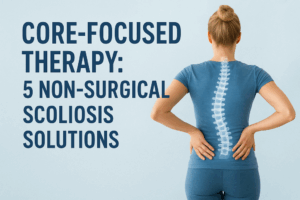 Getting hit with a scoliosis diagnosis can knock the wind out of you—like, do I really have to pick between going under the knife or just dealing with it? I’ve talked to folks who’ve been there, staring at X-rays that look like a twisted road map, wondering if there’s a way to straighten things out without all that drama. Turns out, yeah, there is. It’s all about tapping into what your body’s already got: those core muscles that can step up and support your spine like a trusty sidekick. We’re talking natural scoliosis care that skips the surgery, leans on core-focused therapy, and gets you moving without the pain. No quick fixes here—just smart, gentle spine correction that builds strength and balance over time. It’s the kind of non-surgical solutions that make you feel like you’re in control again.
The Vital Role of Core Stability for Scoliosis Relief
Your core isn’t some gym buzzword; it’s the real deal holding everything together. Picture it as this web of muscles hugging your midsection, keeping your spine from wobbling like a loose fence post. When scoliosis throws things off, those muscles can get lazy or uneven, leading to more aches, wonky posture, and that drag-you-down tiredness. But crank up the core stability with targeted work, and suddenly your body’s got better alignment. Stress spreads out evenly, not piling up in one spot. It’s safe scoliosis therapy at its best—focusing on spine health and body balance to ease scoliosis relief without forcing anything.
Benefits of Core Strength: More Than Just a Strong Back
Pump up your core, and it’s not just your back that says thanks. This stuff ripples out, changing how you handle the day-to-day grind.
First off, natural pain reduction hits hard. A beefed-up spine takes less abuse on ligaments and joints, tackling that nagging back pain right where it starts.
Then there’s improved posture and body awareness. You start noticing when you’re slumping—like during a long meeting—and fix it on the fly, keeping strong posture without thinking twice.
Balance gets a boost too, along with functional strength. Walking feels steadier, grabbing groceries doesn’t tweak anything, and you’re less likely to trip or tweak something.
Best part? It flips the script on recovery. You’re not sitting back waiting; you’re jumping in, building resilience that sticks physically and keeps your head in the game.
5 Core-Focused Therapy Methods for a Stronger Spine
Exploring Non-Surgical Scoliosis Solutions for Lasting Change
Forget cookie-cutter plans—these non-surgical options are all about what fits you. Here’s a rundown of five solid approaches that put core strength front and center for gentle movement and effective scoliosis options.
Therapy for Better Posture: The Schroth Method
I remember chatting with a physical therapist who swore by the Schroth Method—it’s like retraining your body in 3D. Named after Katharina Schroth, who dealt with scoliosis herself back in the day, this posture-based rehab zeros in on your specific curve. You do exercises that stretch your torso long, twist the spine back into line, and beef up weak spots. Breathing’s a big player here: you learn to puff up the squished side of your ribs with these deep, directed breaths. It’s not just reps; it’s building new habits for sitting, standing, even walking. Folks I’ve heard from say it cuts pain and halts progression, all through conscious tweaks that become second nature.
Core Exercises for Scoliosis: Scientific Exercise Approach
The Scientific Exercise Approach to Scoliosis, or SEAS, keeps it real with evidence backing every move. It’s all about teaching you to snap your posture into place on your own—auto-correction, they call it. Picture practicing shifts that fight gravity while doing everyday stuff, like stability training basics that wire your muscles to hold steady automatically. Developed in Italy, it’s flexible: short sessions a few times a week, tailored to your life. No fancy gear needed, just you learning to stabilize against the curve’s pull. It’s a safe exercise approach that ramps up neuromuscular control, making daily exercise feel practical instead of punishing.
Non-Surgical Pain Relief: Core-Stabilizing Yoga
Yoga’s my go-to for unwinding, and for scoliosis, it shines when adapted right. Skip the generic classes; grab a teacher who knows the drill. Poses like a modified side plank—holding it for just 90 seconds a day, studies show—can actually dial back the curve. Focus on stretches for tight spots on the concave side, holds that build endurance in your core, and breaths that open everything up. It’s non-surgical pain relief that boosts flexibility, cuts anxiety from chronic aches, and ties in that core and mind connection. One woman I know started with simple axial extensions and felt her back loosen up after weeks, moving freer without the fear.
Stability Training Basics: The Role of Pilates
Pilates clicks for scoliosis because it’s obsessed with control and alignment—perfect for stability training basics. On a mat or reformer machine, you target deep muscles like the transverse abdominis, that inner belt wrapping your spine. Exercises keep your spine neutral, fixing those lopsided pulls and building balanced strength. Research backs it: folks see less pain, better range, and even quality-of-life jumps. It’s strengthening the back without overdoing it, using precise moves to support flexible movement. If you’re starting, ease in with a pro to avoid strain—I’ve seen it turn wobbly postures into solid ones.
Gentle Core Workouts: Functional Movement Integration
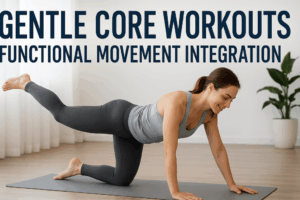 This one’s about sneaking strength into your routine, not carving out extra time. Functional movement integration looks at how you actually live—picking up kids, desk slouching, or standing in line—and tweaks them with core engagement. Therapists might reteach walking with a neutral spine or lifting without twisting. It’s gentle core workouts that make everyday tasks your therapy sessions, reinforcing scoliosis support and preventing curve progression. No gym required; just mindful habits that build back stability and body awareness. It’s the kind of rehab methods that stick because they’re part of your health routine, not an add-on.
Building Your Scoliosis Therapy Plan: Strength, Alignment, and Consistency
Putting a plan together isn’t solo work—team up with a specialist who gets these methods inside out. They’ll mix what clicks for you, like blending Schroth breathing drills with Pilates core rehab, always prioritizing quality over grinding it out. Track wins in how you feel: less pain, easier moves, that surge in confidence. It’s a therapy plan built on strength building, spinal alignment, and sticking with it, turning scoliosis therapy into something you own.
Safe Daily Movements: Integrating Core Health into Your Routine
Don’t let the good stuff fade after your session. Weave it in: sit with a lumbar roll, feet planted, and pop up every hour for a quick stretch. Lift smart—core tight, stuff close, no twists. Stand even, abs lightly engaged. These safe daily movements keep core health maintenance going, like posture training that pays off long-term.
Preventing Curve Progression: Long-Term Spine Care and Maintenance
Curves don’t always worsen, but a solid core stacks the odds in your favor. Treat exercise like a daily must-do, not a phase. This long-term spine care builds a body that pushes back against the twist, guarding your mobility and vibe for the haul. It’s corrective training that evolves with you.
Your Journey to an Aligned Spine Starts with Strength
Diving into therapy without surgery means betting on your body’s smarts. These core therapy methods aren’t just coping—they’re reclaiming your groove, posture care, and ease. You’re crafting a tougher, even-keeled version of yourself, step by step.