Scoliosis affects people differently depending on their age. For parents of teens or adults noticing changes in posture or discomfort, understanding these differences helps guide realistic expectations and effective choices. In the Philippines, many families and individuals turn to non-surgical scoliosis in Philippines options that emphasize personalized care without going under the knife.
Scoliosis treatment Philippines programs adapt to whether the spine is still growing or has reached maturity. The focus for teens often centers on guiding growth and preventing progression, while for adults it shifts toward managing pain, improving daily function, and maintaining quality of life.
Scoliosis Treatment Philippines: Why Age Matters in Non-Surgical Care
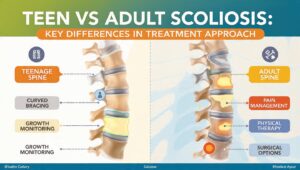 The spine behaves differently before and after skeletal maturity. In teens, growth spurts can cause curves to worsen quickly, so early intervention aims to influence the curve while the body is still developing. In adults, the curve is usually stable but degenerative changes, muscle imbalance, and daily wear can create pain and stiffness.
This is why scoliosis rehab Philippines tailors plans carefully. A one-size-fits-all approach rarely works well. Instead, specialists look at curve size, skeletal age, symptoms, and lifestyle before recommending stretching techniques, massage therapy, or scoliosis-specific exercises.
Understanding the Differences Between Teen and Adult Scoliosis
Teens with adolescent idiopathic scoliosis often have little or no pain but may show uneven shoulders, hips, or posture changes. The main concern is curve progression during growth years. Treatment goals include stopping worsening and, where possible, improving alignment.
Adults, whether the scoliosis started in youth or developed later (degenerative scoliosis), more commonly experience back pain, reduced flexibility, muscle fatigue, or even nerve symptoms. Here the priority moves from curve correction to pain relief, better posture, and preserving mobility.
Body mechanics play a bigger everyday role for adults who sit for long hours at work or handle family responsibilities.
The Role of Stretching Techniques and Massage Therapy for Teens
For growing teens, stretching techniques help maintain flexibility and support balanced muscle development around the curve. Gentle assisted stretching guided by a professional can improve range of motion without stressing the spine.
Massage therapy is useful to release tight muscles on the concave side of the curve and promote relaxation. A skilled massage therapist can prepare the tissues so that stretching and specific exercises become more effective. When combined as stretching and massage, these tools help teens stay active in sports or school activities while supporting their scoliosis program.
How Massage Therapy Supports Adult Scoliosis Management
In adults, massage therapy often takes on a more prominent role for symptom relief. Techniques that improve blood flow and ease muscle tension can reduce daily soreness and stiffness. Many adults benefit from regular sessions that address compensatory patterns built up over years.
Post-massage stretching or simple self-stretches help maintain the looseness gained during the session. This makes stretching and massage therapy a practical part of ongoing management rather than just preparation for exercise.
Benefits of Stretching for Scoliosis Across Ages
Stretching techniques deliver value at any age:
- Enhance flexibility in the back, hips, and shoulders
- Help release tight muscles that pull unevenly on the spine
- Support better posture and body mechanics in daily life
- Reduce feelings of stiffness after long periods of sitting or standing
Teens may use more dynamic stretching to stay active, while adults often benefit from longer static stretch holds that gently lengthen tissues and calm the nervous system. Either way, consistency matters more than intensity.
Stretching and Massage Therapy: Combining Approaches for Better Results
Many patients see the best progress when stretching and massage work together. A typical session might start with massage to warm and relax muscles, followed by guided assisted stretching or scoliosis-specific movements.
This combination improves comfort, supports range of motion, and makes it easier to practice good habits at home. In scoliosis treatment in the Philippines, clinics often integrate these manual therapies with structured programs for stronger outcomes.
Self-Care Strategies Including Regular Massage and Assisted Stretching
Self-care forms the backbone of long-term success. Simple daily habits can include:
- Short stretch routines in the morning or evening
- Using a foam roller or gentle self-massage for tight spots
- Scheduling regular massage with an experienced massage therapist
- Paying attention to posture during study, work, or phone use
Teens might focus on building habits that fit around school and activities, while adults integrate self-care into busy schedules to prevent flare-ups. Both groups benefit from learning safe assisted stretching variations they can do independently.
Advanced Non-Surgical Options Available in Makati and Manila
Non-surgical scoliosis treatment philippines offers several specialized approaches:
- Schroth Method and Schroth Method Therapy makati — 3D postural correction and breathing techniques especially helpful for teens
- SEAS Scoliosis Therapy manila — Scientific exercises focused on self-correction and stability
- Craniosacral Therapy makati — Gentle work to ease tension in the system
- Dry needling for scoliosis treatment philippines — Targeted release of deep trigger points
These methods pair well with massage therapy and stretching techniques to create comprehensive scoliosis rehab philippines plans tailored to age and needs. Clinics in Makati and Manila often combine them for both teen and adult patients.
Whether you are supporting a teenager through growth years or managing scoliosis as an adult, the right mix of professional guidance and consistent self-care can make a meaningful difference. Scoliosis treatment Philippines continues to evolve with evidence-based, non-invasive options that respect the unique needs of each age group.
If you or your child are dealing with scoliosis, consulting a specialist experienced in age-appropriate care is the best next step. Many patients in the Philippines find real improvements in comfort, posture, and confidence through dedicated non-surgical scoliosis in Philippines programs.
Have you ever heard of Scoliosis treatment Makati?
That’s what we do here at Posture Aid – Scoliosis Center and Physical Rehab.
Unit 1701 Centuria Medical Makati Century City, Makati City
Non-surgical Scoliosis Treatment Makati
0917 710 4404
87129752