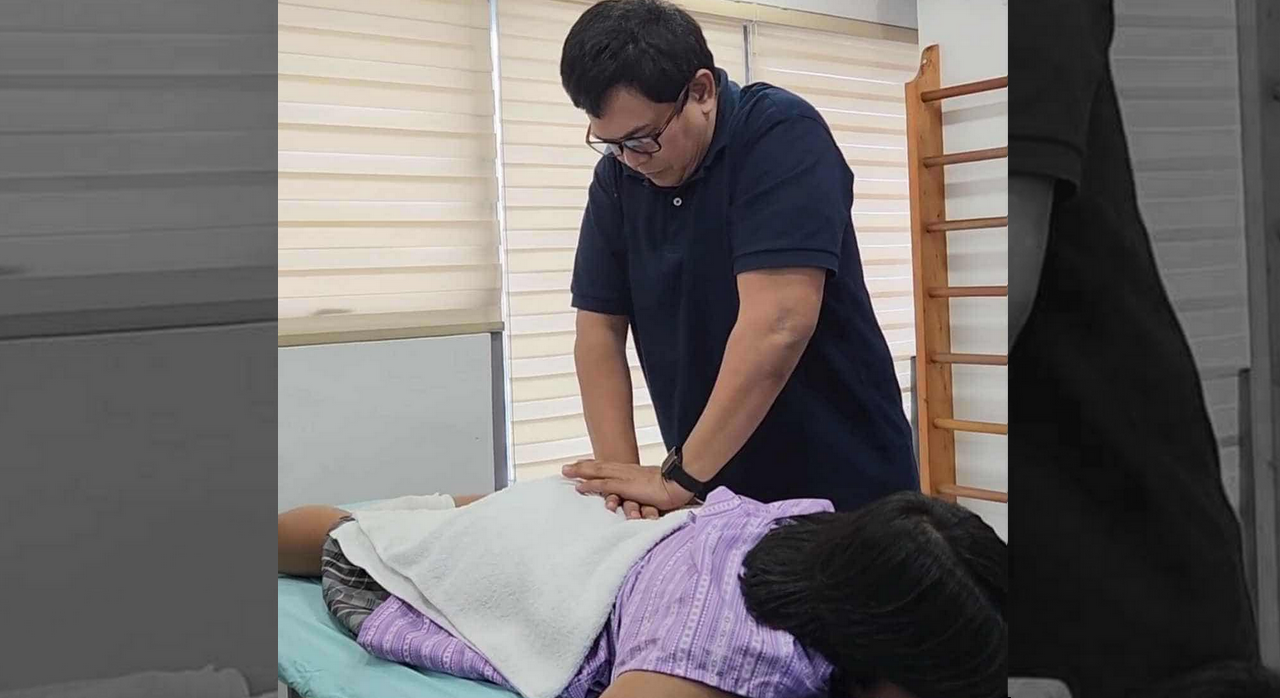
Manual therapy is a hands-on approach that focuses on improving spinal alignment, reducing muscle tension, and relieving pain caused by abnormal curvature. Techniques such as joint mobilization, soft tissue massage, and stretching are used to enhance mobility, restore balance, and support better posture. By targeting tight or weakened areas, manual therapy helps improve body mechanics and complements exercise-based treatments. It is a safe, non-surgical option that can aid in managing discomfort and improving quality of life for scoliosis patients.
Manual Therapy
Manual therapy techniques vary widely, but generally aim to improve joint mobility, reduce muscle tension, and alleviate pain. Common methods include:
Joint mobilization/manipulation
These techniques involve applying specific forces to joints to restore proper movement and reduce stiffness. Mobilization uses smaller, rhythmic movements, while manipulation involves a more forceful, high-velocity thrust.
Soft tissue mobilization
This includes massage techniques, myofascial release (addressing fascial restrictions), and trigger point therapy (applying pressure to specific points in muscles).
Muscle energy techniques
These involve using the patient’s own muscle contractions to improve joint mobility and reduce muscle tension.
Neural mobilization
This focuses on improving the glide and movement of nerves to reduce nerve-related pain.
The overall goal of manual therapy is to improve the biomechanics of the body, reduce pain, and restore function. A physical therapist will use a combination of techniques tailored to the individual patient’s needs and diagnosis.
Visit Today
You’ll know the minute you arrive this is the place. We are here to surpass your desires.