Comprehensive physical therapy is a holistic approach to rehabilitation and wellness, addressing the whole person rather than just the injury or condition. It goes beyond treating symptoms to identify and address the underlying causes of dysfunction, promoting long-term health and well-being.
Key Aspects of Comprehensive Physical Therapy
Thorough Evaluation
A comprehensive evaluation is the cornerstone. This involves a detailed medical history, physical examination, and often specialized tests to accurately diagnose the problem and understand its impact on the whole body. This might include range of motion assessments, strength testing, gait analysis, and postural evaluations.
Individualized Treatment Plan
A tailored treatment plan is created based on the evaluation findings. It’s not a one-size-fits-all approach but a customized plan addressing the patient’s specific needs and goals.
Multimodal Approach
Comprehensive physical therapy uses various techniques and modalities to achieve optimal results. This might include:
- Manual Therapy: Hands-on techniques like joint mobilization, soft tissue mobilization, and myofascial release to improve joint mobility, reduce muscle tension, and alleviate pain.
- Therapeutic Exercise: Exercises designed to improve strength, flexibility, balance, and coordination. These may range from simple stretches to complex functional movements.
- Neuromuscular Re-education: Techniques to improve motor control and coordination, often used for conditions affecting balance or movement patterns.
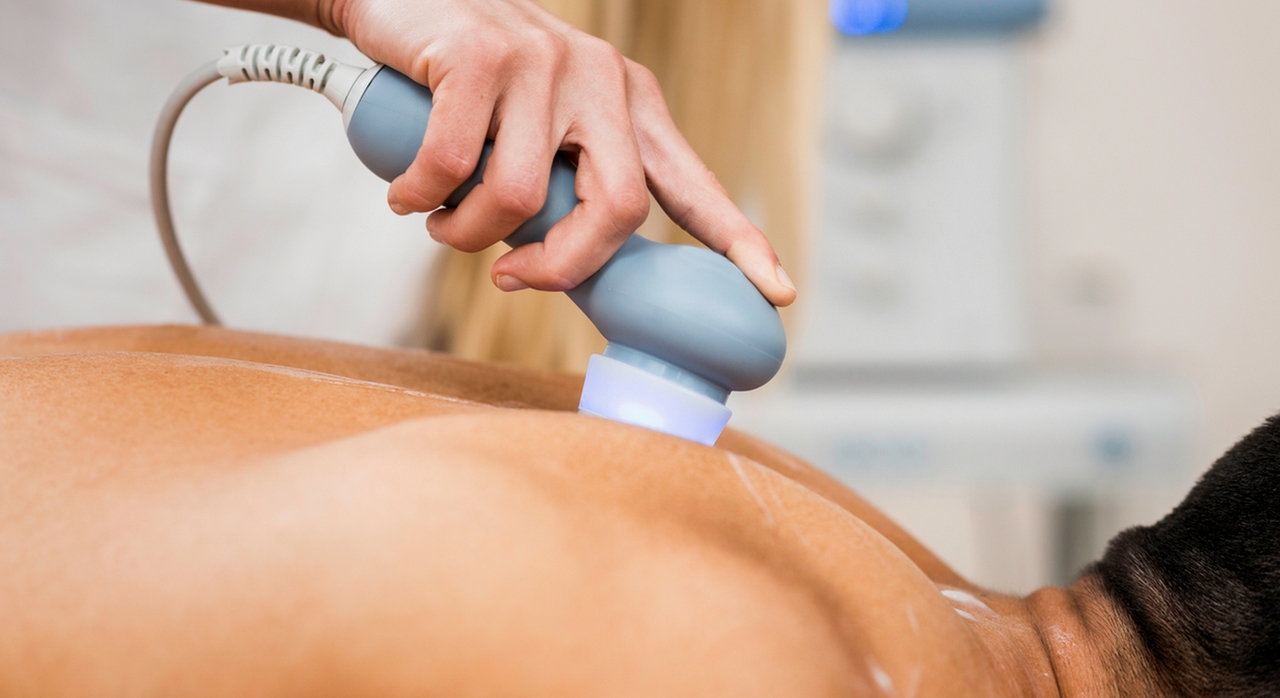
- Modalities: The use of physical agents like heat, cold, ultrasound, or electrical stimulation to reduce pain and inflammation.
- Patient Education: A crucial component, empowering patients with the knowledge and skills to manage their condition and prevent future problems. This includes home exercise programs, posture correction strategies, and activity modification advice.
Functional Training
Focuses on restoring the ability to perform daily activities and participate in desired recreational activities. This involves training for tasks relevant to the patient’s lifestyle.
Long-Term Management
Comprehensive physical therapy isn’t just about short-term relief; it aims for long-term management. This includes developing strategies for preventing recurrence and maintaining optimal function.
Conditions Treated
Comprehensive physical therapy addresses a wide range of conditions, including:
- Musculoskeletal injuries (sprains, strains, fractures)
- Neurological conditions (stroke, multiple sclerosis)
- Cardiovascular conditions (heart failure, post-surgical rehabilitation)
- Orthopedic conditions (arthritis, osteoporosis)
- Chronic pain syndromes (fibromyalgia, back pain)
- Post-surgical rehabilitation (joint replacement, spine surgery)
Benefits of a Comprehensive Approach
- Improved functional outcomes
- Reduced pain and disability
- Faster recovery times
- Enhanced quality of life
- Prevention of future injuries or problems
A comprehensive physical therapy program requires collaboration between the patient and physical therapist to achieve the best possible results. The treatment plan is dynamic, adapting based on the patient’s progress and response to therapy.
Visit Today
You’ll know the minute you arrive this is the place. We are here to surpass your desires.