Unlocking Flexibility: The Power of Stretching and Massage in Schroth Method Therapy
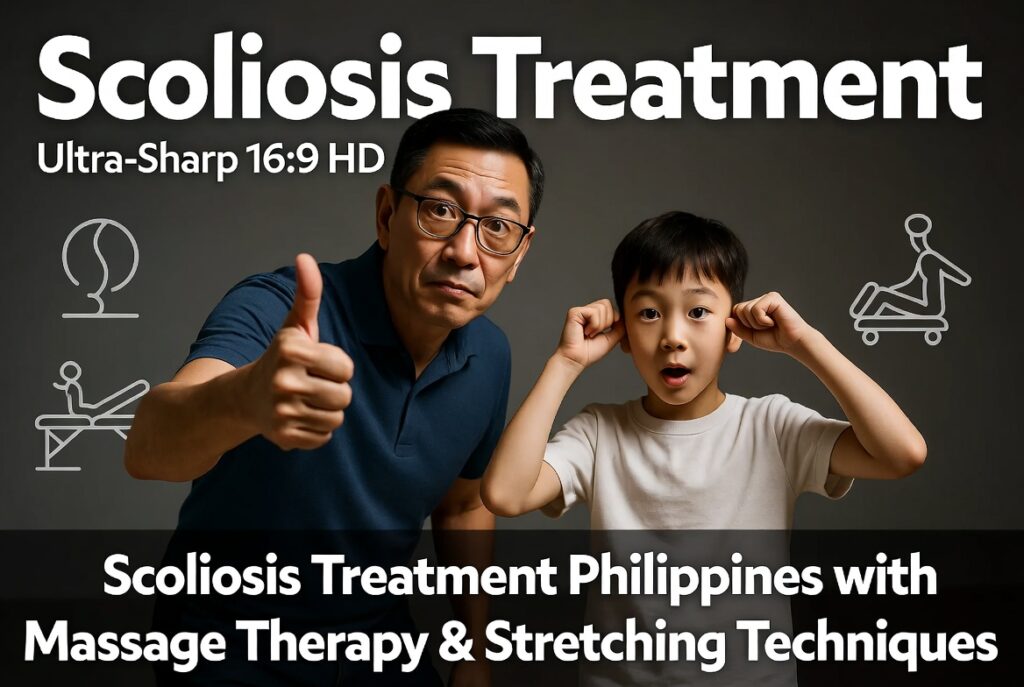 Living with scoliosis can feel like carrying an invisible weight on your shoulders—literally. That nagging ache in your back, the uneven hips that throw off your stride, or the constant reminder to “stand up straight” from well-meaning friends. If you’re in the Philippines, especially around Manila or Makati, you’re probably searching for non-surgical scoliosis treatment options that actually work without the dread of surgery. Enter the Schroth Method, a game-changer in scoliosis care that’s all about empowering your body to realign itself. But here’s the twist: pairing it with massage therapy and targeted stretching techniques? That’s where the real magic happens. It not only eases the daily grind but boosts your flexibility, posture, and overall vibe. In this post, we’ll dive into how these elements team up to tackle scoliosis head-on, with practical tips you can start using today. The key to effective care lies in a comprehensive approach, which is why Scoliosis Treatment Philippines with Massage Therapy & Stretching Techniques is gaining popularity.
What Is the Schroth Method? A Non-Surgical Scoliosis Treatment in Manila
Picture this: a physiotherapy approach born in the 1920s by Katharina Schroth, who’s basically the OG of scoliosis innovation. The Schroth Method isn’t your average gym routine—it’s a customized blueprint for your spine, focusing on three key moves: elongating the spine, de-rotating those stubborn curves, and stabilizing everything with rotational angular breathing (RAB). Think of it as teaching your ribs and muscles to breathe into the concave spots of your curve, gently coaxing your body back toward balance.
For folks in Manila dealing with non-surgical scoliosis treatment, this method shines because it’s proactive, not reactive. Studies show it can halt curve progression, slash pain levels, and even improve lung function by expanding that compressed rib cage. At clinics like Posture Aid PH, Schroth sessions are tailored to your unique curve—whether it’s a gentle C-shape or a trickier S-pattern. No two spines are alike, so why should treatments be? If you’re tired of braces that chafe or pain meds that just mask the issue, Schroth offers a path to real, lasting relief. And the best part? It’s accessible right here in the Philippines, with certified therapists who get the local lifestyle—think humid commutes and long office sits that exacerbate tightness.
The Role of Massage Therapy in Scoliosis Treatment Philippines
Now, let’s talk about the unsung hero: massage therapy. In scoliosis treatment Philippines, massage isn’t just a luxury spa add-on; it’s a strategic tool to soften those tight muscles pulling your spine out of whack. Imagine your back as a knotted rope—Schroth unties the big loops, but massage smooths out the frayed edges. Deep tissue massage, for instance, digs into those deep layers around your muscles and joints, releasing tension in the neck and shoulders where scoliosis loves to hide.
A skilled massage therapist can target tight areas like the hip flexors or hamstrings, which often compensate for spinal imbalances, leading to that all-too-familiar stiffness. Swedish massage with its long, gliding strokes promotes blood flow and relaxation, while sports massage ramps up for athletes navigating scoliosis. Regular massage sessions—say, once a week—can enhance flexibility, reduce soreness post-Schroth exercises, and even lower injury risk by improving muscle function. In Makati, where stress levels run high, combining this with Schroth Method Therapy Makati makes for a powerhouse duo. It’s not about quick fixes; it’s about building resilience so you can chase after kids or crush that deadline without your back staging a revolt.
Essential Stretching Techniques to Complement Your Schroth Method Sessions
Stretching techniques are the bridge between Schroth’s structural work and everyday ease. Start with a static stretch: hold that hamstring pull for 30 seconds, feeling the lengthen in your tight muscles without bouncing. Or try dynamic stretching, like gentle leg swings to warm up the quadriceps before a session. These aren’t random yoga flows—they’re Schroth-approved to boost range of motion and posture.
Incorporate stretching into your daily routine with simple moves like cat pose to open the hips or cow pose for better posture and balance. For scoliosis warriors in the Philippines, where heat can make muscles cranky, aim for 15 minutes of stretching in the cooler evenings. PNF (proprioceptive neuromuscular facilitation) takes it up a notch—contract and relax those muscles under guidance to skyrocket flexibility. Assisted stretching from a therapist? Even better, as it ensures you’re not overdoing it on those uneven curves.
Benefits of Stretching: Enhance Flexibility and Range of Motion
Why bother with stretching and massage? The benefits of stretching are a laundry list of wins: improved circulation, reduced tightness, and that sweet release of endorphins that makes you feel human again. When you stretch regularly, you increase flexibility, which means easier Schroth poses and less strain on joints and muscles. It helps with everything from opening the hips to easing tension in the neck, ultimately supporting better posture and balance.
Pair it with massage therapy can help by flushing out knots and boosting elasticity, turning stiff mornings into fluid ones. For non-surgical scoliosis treatment Manila, this combo cuts down on soreness and amps up physical performance—whether you’re hiking in Tagaytay or just navigating EDSA traffic.
Assisted Stretching: How a Massage Therapist Can Help Release Tension
Ever tried stretching alone and ended up more twisted than before? That’s where assisted stretching comes in. A massage therapist guides your body into safe positions, using their expertise to lengthen muscles without force. Think Thai massage elements blended in—gentle pulls on the quadriceps or neck to release tension built from poor body mechanics.
In a session, they might focus on tight areas like the low back, combining it with Schroth breathing for deeper effects. This isn’t just pampering; it’s therapeutic, helping you incorporate stretching seamlessly while reducing injury risk.
Stretching and Massage: Combining Techniques for Better Posture and Balance
Stretching and massage therapy together? It’s like peanut butter and jelly for your spine. Start with a massage session to warm up the tissues, then flow into stretching techniques for maximum range of motion. The result? Enhanced flexibility, better muscle function, and posture that doesn’t slump after lunch.
For scoliosis, this duo tackles the root: tight muscles pulling on curves. Adding stretching post-massage maximizes blood flow, eases soreness, and promotes relaxation. In sports medicine circles, it’s gold for reducing injury risk and improving circulation—key for active Filipinos battling urban hustle.
Deep Tissue Massage and Static Stretch for Tight Muscles and Joints
Deep tissue massage targets those stubborn knots in your back, paired with a static stretch to hold the gains. Focus on the neck and shoulders, where tension in the neck often flares with scoliosis. This combo lengthens tight muscles, improves flexibility, and supports joints and muscles in their Schroth-corrected positions.
Feel the difference after one go: less stiffness, more ease in daily moves. It’s especially clutch for desk jockeys in Makati needing quick recovery.
Incorporating Self-Care: Regular Massage and 15 Minutes of Stretching Daily
Self-care isn’t selfish—it’s scoliosis survival. Slot in regular massage every two weeks and 15 minutes of stretching daily to keep effects of your massage lingering. Use apps for reminders, or tie it to coffee breaks. Stretching helps maintain that Schroth alignment, while massage techniques like self-myofascial release keep tightness at bay.
In the Philippines’ tropical climate, cool showers post-stretch enhance the cool-down, making it a ritual that sticks.
Post-Massage Stretching: Maximize Blood Flow and Reduce Soreness
Right after a massage session? Don’t skip the post-massage stretch. It locks in the relaxation, boosts blood flow to flush toxins, and nips soreness in the bud. Opt for gentle dynamic stretching to transition smoothly, focusing on hamstrings and hip flexors. This simple add-on amplifies your Schroth progress, turning “ouch” into “ahh.”
Advanced Options: Dry Needling and Craniosacral Therapy in Makati
Ready to level up? Dry needling for scoliosis treatment Philippines zaps trigger points with precision, easing deep tension when stretching alone falls short. Pair it with Craniosacral Therapy Makati, a subtle cranial approach that unwinds the nervous system for profound relaxation. At spots like Posture Aid PH, these blend seamlessly with Schroth for holistic wins.
Stretching and Massage Therapy for Injury Risk Reduction and Muscle Function
Beyond comfort, stretching and massage therapy slash injury risk by fortifying muscle function and increasing range of motion. Regular stretching builds resilience, while massage ensures even recovery. For scoliosis, it’s about proactive body mechanics—less compensation, more confidence.
Tailored Schroth Method Therapy in Makati: SEAS Scoliosis Therapy Manila
Wrapping up, if you’re eyeing non-surgical scoliosis treatment Philippines, dive into Schroth Method Therapy Makati or SEAS Scoliosis Therapy Manila at trusted spots like Posture Aid PH. Their blend of Schroth, dry needling, and massage creates a roadmap to straighter days. You’ve got this—start with one stretch today, and watch your world tilt right. Ready to book? Your spine will thank you.
Have you ever heard of non-surgical scoliosis therapy?
That’s what we do here at Posture Aid – Scoliosis Center and Physical Rehab.
Unit 1701 Centuria Medical Makati Century City, Makati City
non-surgical scoliosis treatment Makati
0917 710 4404
87129752