Boosting Schroth & SEAS with Core Strength Training
You’ve probably felt it—that nagging pull in your back after a long day stuck at a desk in Manila’s endless traffic. For anyone dealing with scoliosis, it’s more than just discomfort; it’s a daily grind that messes with how you move and feel. But here’s the good news: pairing the Schroth Method and SEAS approach with core strength training can change that. It’s not some quick fix, but a real way to tackle targeted scoliosis therapy, functional scoliosis exercise, and spinal stability. At Posture Aid, we’ve helped people blend these techniques to ease curves, cut down on pain, and get back to living without constant reminders from their spine. Stick with me as I walk through how this combo works, drawing from real stories and solid research. This comprehensive approach is essential for Scoliosis Relief.
Schroth Method: Targeted Scoliosis Therapy
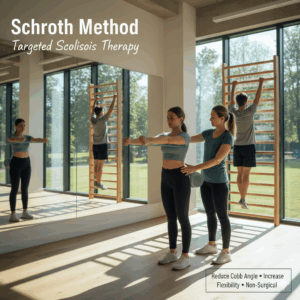 Katharina Schroth knew the struggle firsthand. Back in 1900s Germany, she battled her own scoliosis and came up with ways to push back using breath and targeted moves. Today, her method stands out as prime targeted scoliosis therapy. It hones in on your unique curve—maybe a twist in the upper back or a sway down low—and gets you correcting it actively. You might stand in front of a mirror, adjusting your stance, or hang from wall bars to stretch out tight spots. Research backs this up: one study found it cuts the Cobb angle in teens with idiopathic scoliosis. I spoke with a guy who stuck with it for months; he said his back finally felt looser, like he’d shaken off years of stiffness. Kids and grown-ups see slower curve growth and less ache, making it a smart pick for non-surgical routes.
SEAS Method for Functional Scoliosis Exercise
Over in Italy, the SEAS Method flips the script on scoliosis workouts. Short for Scientific Exercise Approach to Scoliosis, it’s all about functional scoliosis exercise that fits into real life. Forget props—you balance on one leg or reach high like grabbing something off a top shelf, training your body to fix imbalances on its own. It’s self-correction at its core, helping you spot and straighten out wonky spots without constant reminders. A recent meta-analysis showed SEAS edges out others in trimming Cobb angles. One young volleyball player shared how it let her spike balls again, ditching that caged-up feeling from her brace. Great for milder curves, it weaves in everyday moves to keep things practical and effective.
Core Strength Training for Spinal Stability
Core strength training for spinal stability? Skip the sit-ups—they can crank up pressure where you don’t need it. Go for stuff like bird-dogs or side planks that wake up those deep muscles without weird twists. These build a sturdy wrap around your spine, steadying it against daily bumps. Start easy, ideally with a physical therapist watching to dodge any mishaps. A review of studies points out how core work eases pain and boosts life quality short-term. Take this office worker I know: he threw in dead bugs daily and soon noticed steadier steps, no more wobbling through meetings. For scoliosis, it’s about turning shaky ground into solid footing.
Benefits of Core Strength in Scoliosis Management
When it comes to benefits of core strength in scoliosis management, think bigger than just standing straighter. A beefed-up core takes the edge off uneven weight, opens up breathing room since curves can pinch lungs, and even perks up your mood by putting you back in charge. One trial saw core exercises drop Cobb angles and ramp up daily ease. Sarah, a mom juggling kids and work, started with simple planks and suddenly carried bags without that familiar sting. It wards off extras like tired muscles or worn joints too. Bottom line? Core power teams up with your body to fight the curve smarter.
Posture Correction Through Evidence-Based Exercise
Posture correction through evidence-based exercise means ditching hunches with proven tricks. Schroth and SEAS pack moves like pelvic tilts or cat-cows that realign without wild guesses. Data shows they slow curves and crank up mobility. No instant wins here—it’s steady effort, like flossing but for your back. An accountant told me her quick stretches turned slumpy afternoons into alert ones. Toss in yoga for variety, and posture sticks around for the long haul.
Building a Scoliosis Management Program in Manila
Setting up a scoliosis management program in Manila? Places like PEAK Physical Therapy in Quezon City mix Schroth with bracing, fitting right into city life. At Posture Aid, we tailor plans with SEAS drills and core boosts for folks battling commutes and screens. Kick off with a check-in, then hit weekly sessions solo or in groups. A teacher here wove hers into after-work slots, holding her curve steady amid the bustle. Groups like Scoliosis Philippines add that community vibe, turning solo struggles into shared wins in this lively spot.
Guidance from a Non-Surgical Scoliosis Specialist
Guidance from a non-surgical scoliosis specialist keeps hope alive and steps clear. These experts—think PTs versed in Schroth—lay out braces, routines, and tweaks minus the scalpel. They push close watches and habit shifts. Advice often includes blending exercises with low-impact swims to melt pain away. One client followed tips to mix SEAS with walks, feeling stronger fast. It’s empowering: Tune into your body’s cues, make small changes. For lots of people, this stalls worsening and lifts everyday vibes, showing specialists as true partners.
Core Training for Scoliosis and Spinal Alignment
Core training for scoliosis and spinal alignment gets picky—forearm planks or bridges that support without forcing bends. They even out sides, lightening loads on crooked bones. Ditch crunches; grab a stability ball or bands for safer pulls. A dancer with a curve swore by side planks for smoother grooves and less lopsidedness. Handled right, it paves straighter roads, swapping tilts for even keels.
Scoliosis Relief Exercise Benefits Beyond Posture
Scoliosis exercise benefits beyond posture dig deep—sharper breaths, less drag, better shut-eye from dialed-down hurt. SEAS-style moves expand lungs and ease organ squeezes. A runner with scoliosis said her sessions kept trails ache-free, building stamina. Confidence surges too, easing into crowds without second-guesses. These gains spread wide, filling days fuller.
Improving Spinal Alignment with Functional Movement
Improving spinal alignment with functional movement skips still poses for life-like actions—squats or reaches echoing chores. SEAS nails this, coaching on-the-spot fixes. A student slipped arm lifts into study breaks, sitting taller without thinking. Paired with core, it locks in shifts, proving motion heals scoliosis spines best.