Curvature Reduction
Living with scoliosis in the Philippines often leaves patients and parents feeling caught between two extreme options: waiting passively while watching a curve worsen, or undergoing invasive spinal fusion surgery. Fortunately, physical therapy has evolved drastically, and modern conservative management offers a proven, highly effective middle ground. The primary objective of conservative care is meaningful curvature reduction, stopping scoliosis progression, and restoring symmetrical body alignment without surgical intervention.
In Metro Manila, specialized rehabilitation techniques are transforming how patients manage asymmetrical spinal conditions. Through dedicated target exercises, therapeutic breathing, and custom postural re-education, individuals can actively work to decrease their Cobb angle. Curvature reduction is not merely about aesthetic changes; it relieves abnormal mechanical pressure on spinal discs, ribs, and surrounding soft tissues, allowing patients to regain freedom of movement and confidence in their body structure.
What Is Schroth?
The Schroth Method is a specialized, non-surgical physical therapy framework designed specifically to treat scoliosis and other spinal deformities. Developed in Germany in 1921 by Katharina Schroth, this evidence-based approach addresses the asymmetrical nature of scoliosis by working against the curve in all three anatomical planes. Unlike general physical therapy routines that offer symmetrical back-strengthening movements, Schroth Therapy Makati clinics deliver precise, curve-specific exercises tailored specifically to each patient’s unique spinal patterns.
In the past, traditional physical therapy routines treated scoliosis as a simple lateral leaning of the spine. However, the Schroth Method Philippines practitioner community treats scoliosis as a complex three-dimensional deformity involving lateral side-bending, anterior-posterior curvature alterations, and rotational twisting of the vertebrae. By combining specialized sensory awareness training, isometric muscle contractions, and rotational angular breathing, Schroth therapy empowers patients to actively realign their spine, correct postural asymmetries, and dynamic balance throughout daily activities.
3D Correction
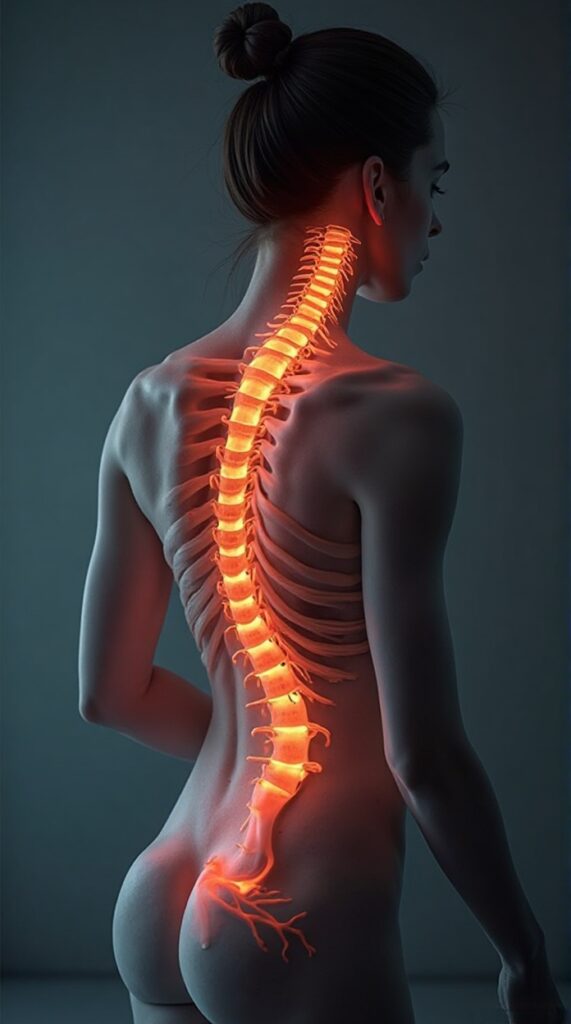
To understand why 3D scoliosis correction is essential, one must look closely at how scoliosis actually changes the human skeleton. Scoliosis is never just a 2D sideways ‘C’ or ‘S’ shape on a flat paper X-ray; it represents a spatial rotation of the vertebral column. As the vertebrae curve to the side, they simultaneously rotate, pulling the attached ribs along with them and creating a visible rib hump on one side of the back alongside a collapse on the opposite side.
Through precise 3D Scoliosis Correction protocols, certified therapists guide patients to perform targeted micro-adjustments that de-rotate, elongate, and stabilize the spine. By learning how to elongate the spinal column vertically, shift the torso laterally toward the midline, and un-twist rotated segments, patients reverse abnormal asymmetrical loading. This comprehensive realignment promotes lasting structural improvements and restores natural trunk symmetry.
Breathing Exercises
A central pillar of Schroth Method Therapy Makati programs is Rotational Angular Breathing (RAB). When scoliosis develops, the rotation of the rib cage causes the lungs to expand unevenly, leading to concavities where thorax tissue collapses and convexities where tissue bulges outward. Standard breathing simply reinforces this imbalance by filling the already expanded convex areas while neglecting the compressed concave side.
During Schroth exercises, therapists teach patients to direct their inhalation specifically into the collapsed, concave regions of their chest wall. This directed expansion acts as an internal pneumatic force, reshaping the rib cage from the inside out. When combined with targeted muscle contractions during exhalation, rotational angular breathing helps mobilize stiff intercostal tissues, expands chest volume, and assists in un-twisting rotated spinal segments.
Custom Plans
No two scoliosis curves are completely identical. A treatment program that works wonders for a thoracic curve may prove ineffective or even harmful for a double structural curve. For this reason, individualized clinical evaluation is mandatory before starting any non-surgical scoliosis treatment in Metro Manila. Each patient undergoes detailed clinical evaluations, body alignment photo analysis, and x-ray reviews to categorize their precise curve type.
Custom plans are developed around the patient’s age, bone maturity (Risser sign), curve severity, and functional goals. Whether designing specialized programs for growing adolescents or targeted scoliosis therapy for adults, experienced physical therapists construct custom movement blueprints. These tailored exercises ensure every stretch, activation, and breathing cycle works in direction-specific harmony to correct the unique curve pattern.
How It Works
The Schroth Method operates on the principle of neuromuscular re-education and active spinal correction. When a spine remains curved for months or years, the brain adapts to this abnormal position, perceiving asymmetrical posture as normal or “centered.” Schroth exercises systematically break this cycle by retraining the central nervous system to recognize and maintain correct bodily alignment.
During physical therapy sessions, patients perform specialized isometric exercises that recruit deep posture-stabilizing muscles surrounding the spine. By utilizing specialized equipment such as wall bars, therapy balls, rice bags, and therapeutic belts, therapists gently position the patient’s body into hyper-corrected alignments. Once in these corrected positions, the patient engages specific muscle groups while maintaining rotational breathing patterns, slowly building the strength and muscle memory necessary to support a straighter spine outside the clinic setting.
Real Results
Patients who commit consistently to non-surgical scoliosis therapy frequently experience dramatic enhancements in both function and quality of life. Clinical studies worldwide continue to document the effectiveness of Schroth rehabilitation in reducing pain, preventing structural progression, improving pulmonary vital capacity, and enhancing visual cosmetic symmetry.
Beyond measurable radiographic improvements on standing full-spine X-rays, real-world results manifest as increased physical stamina, improved posture balance during daily tasks, and a restored sense of bodily autonomy. When patients learn how to manage their spine through targeted physical exercises, they transition from passive recipients of healthcare to active, confident managers of their structural health.
Pain Relief
Chronic back discomfort is one of the primary reasons adults seek scoliosis pain relief in Makati. As asymmetrical spinal curves cause uneven mechanical stress, muscles on one side of the back become overstretched and fatigued, while muscles on the opposite side become tight, shortened, and chronically inflamed. Over time, this imbalance strains spinal facet joints, intervertebral discs, and surrounding nerve roots.
Schroth therapy offers effective, long-term scoliosis pain relief by addressing the root cause of mechanical tension rather than temporarily masking symptoms. By decompressing shortened tissues, activating dormant postural stabilizers, and promoting symmetrical weight distribution, patients experience significant decreases in back muscle spasms, stiffness, and nerve irritation. Many adult patients report complete relief from persistent discomfort after mastering their curve-specific daily care routines.
Curve Improvement
Can physical exercise truly stop scoliosis progression and reduce a spinal curve? High-quality scientific literature confirms that scoliosis rehab using Schroth principles can stabilize curves and achieve Cobb angle reductions, particularly during active growth phases or early-stage intervention. By consistently applying corrective forces against the curve direction, structural strain is diverted away from the apex of the deformity.
For adolescent patients experiencing rapid pubertal growth spurts, Schroth therapy serves as a powerful tool to halt curve worsening and reduce the likelihood of needing a brace or surgery. For skeletally mature adult patients, curve improvement often translates into better structural alignment, reduced torso height loss, elevated rib cage symmetry, and reduced vertebral wear and tear over time.
Who It’s For
Schroth Method Therapy in the Philippines is suitable for a diverse range of individuals diagnosed with spinal asymmetries. It is commonly prescribed for patients with Idiopathic Scoliosis (infantile, juvenile, adolescent, or adult-onset), Neuromuscular Scoliosis, Scheuermann’s Kyphosis, and post-surgical postural imbalances.
Whether you are a concerned parent seeking a scoliosis brace alternative for your teenage child, a young adult noticing worsening posture at a desk job, or a senior looking to manage chronic spinal stiffness, this specialized physical therapy provides scalable, highly adaptable solutions catered to your functional capacity.
All Ages
One common misconception is that non-surgical spinal correction only benefits young children whose bones are still flexible. While it is true that adolescent patients experience rapid structural adaptations during growth, scoliosis therapy for teens works through different mechanisms than scoliosis therapy for adults, offering profound benefits across every decade of life.
In growing teens, Schroth therapy utilizes bone growth potential to steer the spine into a straighter pattern as skeletal height increases. For adults and seniors whose growth plates have closed, treatment focuses on decompressing joint structures, stabilizing degenerating curves, improving functional range of motion, correcting posture, and treating spinal pain. Regardless of age, neuromuscular retraining remains effective at any stage of life.
Makati Clinic
Locating a trusted clinic with certified Schroth therapists is crucial for obtaining safe, effective care. If you are searching for the best scoliosis clinic in Makati, it is important to select a facility equipped with specialized scoliosis rehabilitation equipment, such as Swedish wall bars (stall bars), posture mirrors, therapeutic bolsters, stabilization straps, and specialized traction systems designed specifically for 3D correction.
A dedicated Makati scoliosis specialist will provide comprehensive physical assessments in a comfortable, supportive environment. These clinics prioritize precise, hands-on clinical care, ensuring that every movement is performed with proper form to maximize therapeutic impact while keeping patient safety paramount.
Cost & Sessions
Understanding scoliosis treatment cost in Makati helps families plan their health investments effectively. The total financial investment for a complete Schroth program varies based on curve severity, individual patient learning speeds, and whether the treatment is combined with orthopedic bracing or specialized clinical monitoring.
Typically, a standard course of care begins with an intensive initial phase consisting of 10 to 20 one-on-one sessions spread over several weeks. During these initial sessions, the physical therapist teaches the patient their specific curve classification, basic postural corrections, rotational breathing strategies, and home exercises. Once the patient demonstrates mastery of their personalized routine, therapy transitions into periodic maintenance visits and progress checks combined with daily home practice.
Before & After
The structural transformation resulting from dedicated Schroth therapy is visually noticeable both on external clinical photos and standing full-spine X-rays. Before initiating treatment, patients often display prominent visual markers such as unlevel shoulders, uneven hip heights, a pronounced rib hump, asymmetric waist folds, and a noticeable head tilt.
Following consistent participation in a targeted rehabilitation program, before-and-after evaluations reveal marked improvements in visual symmetry and alignment. Shoulders become visibly level, waist contours equalize, the rib hump flattens significantly, and overall body balance improves. Radiographically, many patients exhibit Cobb angle stabilization or reduction, alongside improved sagittal plane balance.
Progress Tracking
Objective measurement is a fundamental component of safe, evidence-based scoliosis rehab in Makati. Therapists monitor physical evolution through a variety of accurate clinical metrics, ensuring that treatment protocols remain effective throughout the rehabilitation journey.
Common progress tracking metrics include periodic scoliometer readings to measure trunk rotation, height measurements to check spinal elongation, visual posture photo assessments, spirometry tests to measure vital lung capacity, and regular review of standing X-rays in coordination with referring orthopedic specialists. This detailed tracking guarantees that adjustments can be made promptly to address changes in curve dynamics.
Schroth vs Brace
When exploring conservative options, families often wonder how Schroth therapy compares to or integrates with traditional scoliosis bracing. An orthopedic brace acts as a passive external support system that holds the spine in a corrected position during growth. In contrast, Schroth exercises represent an active correction method where the patient uses their own deep muscles to support and realign the spine.
Rather than viewing these modalities as competing choices, top international guidelines recommend combining both for moderate to severe adolescent curves. Schroth therapy serves as an ideal scoliosis brace alternative for mild curves where bracing is not yet indicated, and acts as an essential dynamic partner when bracing is necessary, preventing muscular atrophy and stiffness associated with wearing rigid back braces.
Daily Exercises
Long-term successful management of scoliosis relies heavily on routine home commitment. Attending clinic appointments once or twice a week is vital, but real structural change occurs when correct movement patterns are practiced daily.
A typical home routine requires roughly 20 to 30 minutes of daily exercise. Patients perform their unique set of active elongations, rotational breathing routines, and isometric stabilization exercises using basic home setups such as resistance bands, wall mounts, or door-mounted bars. Over time, these daily habits turn conscious posture corrections into automatic, effortless physical instincts.
At-Home Tips
Integrating posture correction into daily routines extends beyond structured exercise blocks. Here are practical tips to maintain effective correction throughout your day:
First, set up an ergonomically balanced workstation or study desk that prevents slumping or asymmetric leaning to one side. Second, when sitting or standing, practice conscious spinal elongation—imagine a subtle lifting force at the crown of your head drawing your spine upward. Third, avoid habitually carrying heavy bags over a single shoulder; switch to a well-padded backpack worn evenly across both shoulders. Finally, avoid holding static positions for extended periods; take short movement breaks every 30 minutes to stretch, perform rotational breathing, and reset your postural balance.
Schroth vs Surgery
Spinal fusion surgery is a major medical procedure involving the placement of metal rods, hooks, and screws to permanently fuse vertebrae together. While surgery remains necessary for severe, rapidly progressive curves that threaten cardiopulmonary function, it carries significant risks, long recovery periods, permanent loss of spinal flexibility, and high healthcare costs.
Choosing non-surgical scoliosis treatment in Metro Manila allows patients to explore non-invasive alternatives before considering surgical paths. Schroth therapy preserves natural spinal mobility, avoids surgical risks, eliminates implant-related complications, and provides long-term self-management strategies. For the vast majority of mild-to-moderate scoliosis cases, non-surgical therapy successfully prevents curves from ever reaching surgical thresholds.
Get Started
Taking the first step toward better spinal health and stopping scoliosis progression begins with securing an accurate evaluation from a qualified expert. Delaying management allows spinal stiffness to set in and gives asymmetrical forces more time to affect your skeletal alignment.
Whether you are seeking non-surgical treatment options for yourself or a family member, exploring Schroth method therapy in Metro Manila offers a proven pathway toward a stronger, healthier, and better-aligned spine.
FAQs
Is the Schroth Method painful?
No, Schroth exercises are non-invasive and designed to be safe and gentle. While you may experience mild muscle fatigue similar to starting a new workout routine, the exercises should never cause sharp or acute pain. Your therapist adjusts every movement to remain well within your tolerance level.
How long does it take to see results?
Most patients report visible postural improvements, enhanced core stamina, and noticeable pain relief within 6 to 8 weeks of consistent clinic sessions and home practice. Radiographic Cobb angle changes typically require 6 to 12 months of dedicated program adherence to show clearly on follow-up X-rays.
Can adults still benefit from Schroth therapy?
Absolutely. While adult spines are fully developed, Schroth physical therapy for adults is highly effective for reducing chronic back pain, decompressing spinal joints, improving breathing capacity, correcting posture, and preventing age-related curve degeneration.
Book Assessment
Ready to take control of your spinal wellness without relying on invasive surgeries or passive waiting? Schedule a comprehensive clinical evaluation with a accredited Makati scoliosis specialist today. During your initial consultation, your clinical team will thoroughly review your medical history, examine recent standing X-rays, perform a detailed structural posture assessment, and build a tailored treatment plan designed specifically for your life.
Don’t let scoliosis dictate your comfort, mobility, or confidence. Contact a specialized Schroth clinic in Metro Manila now to discover how targeted, non-surgical 3D scoliosis correction can help you achieve a healthier, straighter, and pain-free spine.