What Is Spinal Kinematic? Guide to Better Spinal Health
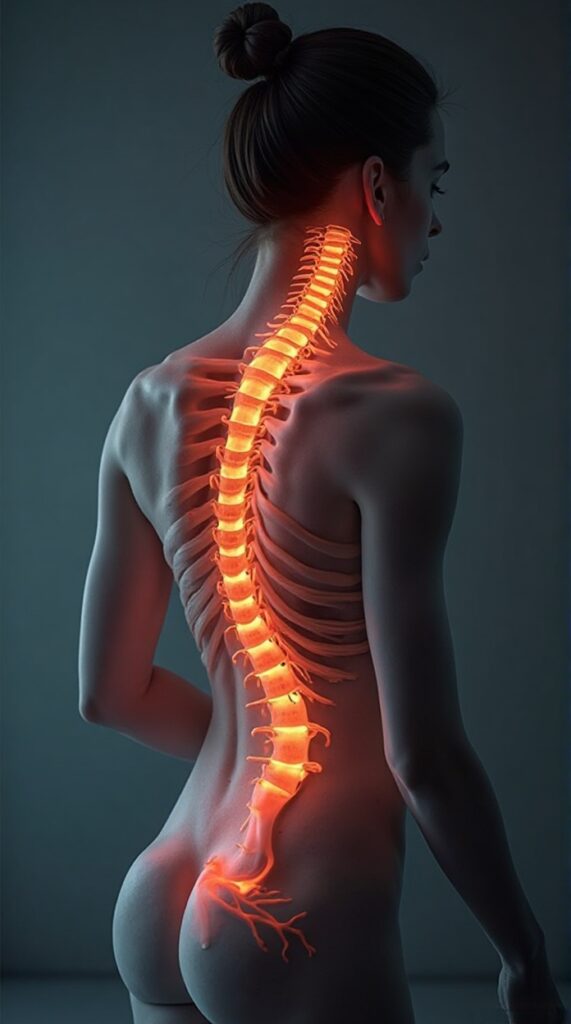
 Spinal kinematic refers to the study and care of how your spine moves, aligns, and functions as a connected system. Instead of focusing only on symptoms, it looks at the whole spine—how each vertebra curves, bends, and rotates. This approach is especially helpful when exploring what is Spinal Kinematic therapy and how does Spinal Kinematic work for scoliosis. It combines gentle movement, exercise therapy, stretching techniques, and modern methods to support natural spine alignment.
Many people first ask, is Spinal Kinematic effective for back pain? The short answer is yes—because it targets the root: how your spine moves and holds itself, not just where it hurts. It fits perfectly into non-surgical spinal care for adults and children, making it safe and gentle enough for growing bodies and durable enough for long-term use.
Spinal Kinematic Therapy: Natural Scoliosis Treatment
For anyone seeking scoliosis treatment without surgery Manila families trust, spinal kinematic therapy offers a clear path forward. It follows how scoliosis rehab works through consistent, evidence-based movement rather than invasive procedures. The therapy focuses on retraining muscles, improving balance, and guiding the spine toward better positioning over time.
This is Spinal Kinematic for Scoliosis: Pain Relief and Posture Improvement in action. It does not promise a “cure” overnight, but it offers steady progress—reducing discomfort, slowing curve progression, and helping you stand straighter with less effort. Whether you are newly diagnosed or have lived with scoliosis for years, this method fits into daily life and supports your body’s own ability to heal and adapt.
Spinal Kinematic Bed: Advanced Spinal Correction in the Philippines
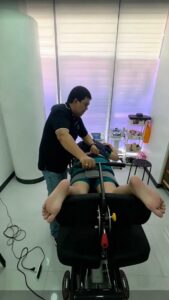
One of the most distinctive tools available is the Spinal Kinematic bed—often called the centerpiece of modern care here. Many search specifically for Spinal Kinematic bed for scoliosis because it combines gentle positioning with supportive technology to guide the spine toward better alignment while you rest.
This is Spinal Kinematic Bed: Advanced Spinal Correction in the Philippines—a system designed to support the spine in its natural shape, relieve pressure, and create space between vertebrae. It works alongside movement therapy so improvement continues even during rest. At Posture Aid, this technology helps us deliver consistent, precise care to patients across Metro Manila and nearby areas.
Relieve Back Pain Safely With Spinal Kinematic Treatment
If you live with persistent discomfort, Spinal Kinematic therapy for chronic back pain offers a safe, sustainable alternative. Treatment focuses on pain management, posture correction, and restoring movement—helping you rely less on medication and more on your body’s improved strength and alignment.
Care plans often mix massage therapy, guided movement, and self-care habits you can continue at home. This means you leave each session with practical steps to feel better in daily life—while sitting, walking, or sleeping. Over weeks, many notice less stiffness, easier movement, and fewer days spent in pain.
Spinal Kinematic: Effective Scoliosis Therapy Without Surgery
Choosing Spinal Kinematic: Effective Scoliosis Therapy Without Surgery means choosing a rehab-focused path built on the rehabilitation process—assessment, guided care, home practice, and regular review. It is one of the most encouraging options because you take part in your own improvement.
Progress shows in better posture, more comfortable breathing, reduced fatigue, and less back or shoulder pain. For parents exploring options for their child, it offers a way to act early—when curves are most responsive—without the risks or recovery time of surgery. That is why so many turn to non-surgical scoliosis treatment that respects the body’s natural growth and healing.
Posture Aid Spinal Kinematic: Restoring Spinal Mobility and Alignment
At Posture Aid, we combine years of orthopedic and scoliosis care experience with this modern movement-based approach. Posture Aid Spinal Kinematic treatment begins with a detailed assessment—looking at your spine’s shape, how you move, and your daily habits. From there, we build a plan just for you.
We help you understand exactly what is happening and why certain movements or habits make a difference. Education is part of the care—so you know not just what to do, but why and how. This builds confidence and makes daily practice easier to keep up.
Spinal Kinematic for Scoliosis: Pain Relief and Posture Improvement
Consistency matters most. When you combine clinic sessions with daily exercises and posture habits, changes become lasting. This is where Spinal Kinematic for scoliosis truly shines—it gives you tools that stay with you for life.
Many patients notice improved balance, clothes fitting better, reduced neck or back strain, and feeling more comfortable standing or sitting for longer periods. Over time, these small improvements add up—supporting confidence, mobility, and quality of life.
Non-Surgical Spinal Correction: The Spinal Kinematic Approach
Non-Surgical Spinal Correction: The Spinal Kinematic Approach works because it is gentle, consistent, and rooted in how the spine actually functions. It does not force changes; it guides them through better movement, stronger support muscles, and daily habits that protect your alignment.
Each plan is adjusted as you improve—exercises grow more detailed, goals shift, and we track progress through measurements and observations. This responsive care means you are never stuck doing the same routine; you are always moving forward.
Spinal Kinematic Therapy: Serving Manila and Makati Areas
We are proud to provide Spinal Kinematic in Makati City and Spinal Kinematic in Cainta, Rizal, bringing expert care to communities across Metro Manila. Whether you visit our clinic or inquire about availability, you receive the same thorough, compassionate approach built on years of experience.
People also ask about Spinal Kinematic treatment cost Philippines—and we believe transparency helps. Costs depend on your assessment, plan, tools used, and location, so we discuss this clearly before starting. Our goal is to make expert spinal care accessible, so you can focus on progress rather than uncertainty.
Understanding Spinal Kinematic and How It Works
Spinal kinematic works on a simple principle: your spine is a flexible chain, not a rigid rod. Its shape and health depend on how it moves, how muscles support it, and how you hold it each day. Therapy identifies patterns that pull the spine out of alignment—then gently retrains them. This happens through precise exercises, breathing techniques, and supported rest that together encourage the spine toward its natural, balanced position.
Benefits of Spinal Kinematic for Scoliosis Management
When used for scoliosis, the benefits go beyond posture. Patients often report less pain, easier breathing, better sleep, and greater confidence. By supporting the spine during growth, therapy may help slow curve progression and reduce the chance of needing surgery later. Even for adults, it can prevent worsening, relieve stiffness, and help you stay active and comfortable.
How Spinal Kinematic Helps Relieve Chronic Back Pain
Most back pain from curvature comes from strain—muscles working overtime to hold you up, joints compressed, and nerves irritated. Spinal kinematic eases this by improving alignment, strengthening weak areas, and releasing tight ones. Over time, your body supports itself more efficiently, so pain naturally decreases and stays lower with daily care.
What to Expect During Spinal Kinematic Treatment
Your first visit starts with a full assessment—reviewing history, observing movement, and discussing goals. Then we explain what we find and build a plan. Sessions may include guided movement, breathing practice, equipment-assisted care, and home exercises. You leave knowing exactly what to do, how to do it, and when to return. Most feel understood and confident after that first meeting.
Spinal Kinematic Bed: Technology and Method Explained
The bed supports your body in a way that gently encourages spinal alignment while you rest. It is adjustable and shaped to help hold corrections longer than you could actively maintain them yourself. Used alongside exercise, it reinforces progress—so your body learns the new shape both in motion and at rest. It is safe, comfortable, and suitable for most ages.
Who Can Benefit From Spinal Kinematic Therapy
It helps children and teens during growth, adults with mild-to-moderate curves, and anyone with back pain linked to posture or curvature. Even those unsure about surgery or seeking a second opinion can benefit—therapy gives you clear information, a safe starting point, and time to decide without pressure.
Spinal Kinematic Compared to Other Scoliosis Treatments
Bracing holds the spine still; surgery fuses vertebrae; spinal kinematic works through movement. It complements bracing well and is often used alongside it. It is less restrictive than bracing and far less invasive than surgery—making it an excellent first choice or long-term maintenance option.
Why Choose Spinal Kinematic for Long-Term Spinal Health
Because it teaches you how to care for your own spine. Exercises and habits become part of your life, so improvement continues long after sessions end. It supports overall health—strength, breathing, posture, confidence—helping you protect your spine for life.
Safety and Effectiveness of Spinal Kinematic in the Philippines
Spinal kinematic is safe when guided by trained professionals. At Posture Aid, we follow evidence-based methods and keep safety central to every plan. Results vary, but many patients see real progress within weeks. Consistent care and daily home practice make the biggest difference.
Getting Started With Spinal Kinematic at Posture Aid
Ready to explore? Reach out to schedule your assessment at our Makati or Cainta clinic. Bring any previous records, reports, or X-rays you have. We listen, assess, explain clearly, and help you decide if this approach is right for you. Taking that first step toward better spinal health is simple—just ask.