Protecting Your Child’s Spine
 Finding out that your child or teenager has scoliosis can be overwhelming. As a parent, seeing a subtle shoulder drop, an uneven waistline, or a prominent rib on one side during a growth spurt often brings immediate concern. The search for clear answers usually leads to frustrating extremes: either watching the spine curve further under a passive “wait and see” approach, or confronting the intimidating prospect of invasive spinal surgery.
Fortunately, modern physical therapy offers a proactive, evidence-based path forward. Specialized non-surgical scoliosis treatment in the Philippines allows parents to take immediate control of their child’s spinal health.
At PostureAid, our approach focuses on catching curve progression early, stabilizing the spine, relieving growing pains, and empowering young patients with customized, non-surgical techniques right here in Manila and Makati.
What Is Adolescent Idiopathic Scoliosis?
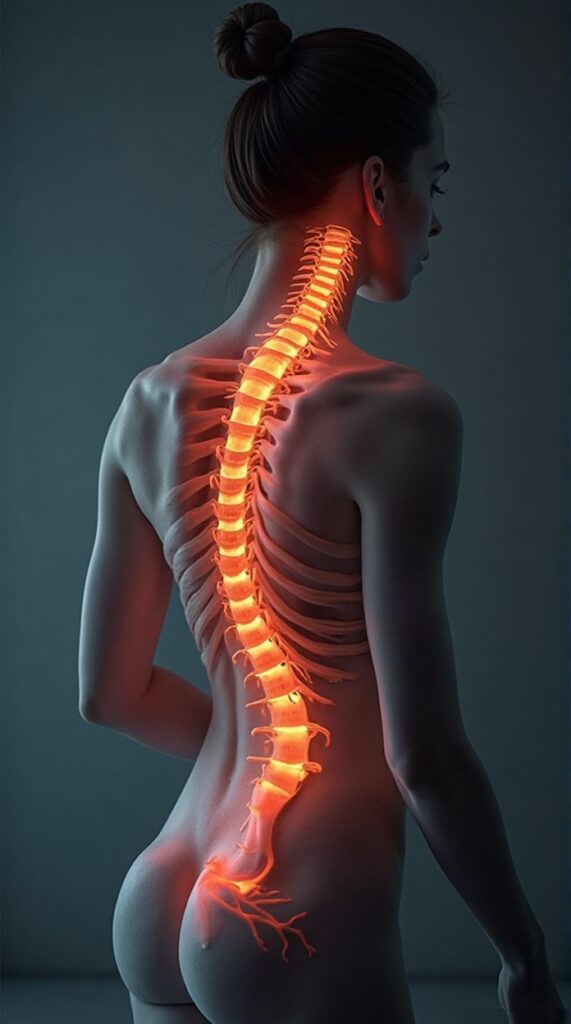
Scoliosis is a three-dimensional condition involving a side-to-side curvature and rotation of the spine. The most common form seen in children and teenagers is Adolescent Idiopathic Scoliosis (AIS), which typically manifests between the ages of 10 and 18. “Idiopathic” simply means that there is no single known cause—it is not caused by heavy backpacks, poor sitting habits, or poor posture alone, though these factors can compound muscle strain.
During rapid growth spurts, the spinal bones (vertebrae) can grow unevenly if asymmetrical forces are acting on them. When a curve begins to develop, the surrounding soft tissues adapt:
-
Muscles on the convex side (outer curve) become stretched, weak, and overtaxed as they attempt to hold the spine upright.
-
Muscles on the concave side (inner curve) become compressed, tight, and short, limiting normal flexibility.
-
Rotational tension affects the ribs, creating a visible rib hump and altering normal breathing mechanics.
Because a child’s spine is still flexible and developing, early intervention is critical. Addressing these asymmetrical forces while your child is still growing gives the best chance to manage curve progression effectively.
Recognizing Early Signs of Scoliosis in Your Child
Because scoliosis often develops without severe pain in its early stages, many parents only notice subtle visual cues. Keeping an eye out for asymmetrical postural markers can help you seek timely care:
-
Uneven Shoulder Height: One shoulder sits noticeably higher than the other.
-
Prominent Shoulder Blade: One shoulder blade protrudes more backward or appears larger.
-
Asymmetrical Waistline: The gap between the arm and waist looks different on each side, or one hip sits higher.
-
Rib Hump: When your child bends forward at the waist with arms hanging down (known as the Adam’s Forward Bend Test), one side of the back or ribcage appears elevated.
-
Leaning to One Side: The head or torso seems off-center relative to the pelvis.
If you observe any of these signs, having your child evaluated by specialized scoliosis physiotherapists can provide clarity and an actionable care plan.
Proactive Non-Surgical Scoliosis Care: Beyond “Watch and Wait”
Traditionally, mild scoliosis was simply observed until it became severe enough to require rigid bracing or surgical consultation. Modern conservative scoliosis management replaces passive waiting with dynamic, targeted exercises designed specifically for 3D spinal correction.
At PostureAid, we combine evidence-based non-surgical methodologies to protect and stabilize your child’s spine throughout their developmental years.
Core Non-Surgical Therapies at PostureAid
1. Schroth Method Therapy
The Schroth Method Therapy in Makati is a world-renowned, 3D exercise system tailored specifically to each child’s unique curve pattern. Rather than offering generic back exercises, the Schroth Method uses specialized postures, rotational breathing, and targeted muscle activation to pull the spine back toward a neutral alignment.
By learning how to consciously correct their alignment using rotational breathing techniques, young patients learn to auto-correct their posture in daily activities.
2. SEAS (Scientific Exercise Approach to Scoliosis)
SEAS Scoliosis Therapy in Manila focuses on active self-correction and dynamic stabilization. Children learn to perform precise postural adjustments and maintain them while executing fun, functional exercises. This retrains the central nervous system and strengthens the deep core muscles that support the spine during growth.
3. Complementary Pain Relief & Soft Tissue Care
When growing pains, muscle spasms, or joint tightness occur, targeted passive therapies help keep your child comfortable:
-
Manual Therapy & Joint Mobilization: Gentle hands-on work restores mobility in stiff spinal segments and rib joints.
-
Craniosacral Therapy in Makati: Soft, non-invasive gentle touch helps relieve central nervous system tension and relaxes tight myofascial structures.
-
Dry Needling for Scoliosis Treatment in the Philippines: For older teens experiencing deep muscle knots from overworked spinal muscles, dry needling offers quick, localized relief to reset tight fibers.
How Integrated Non-Surgical Care Works Together
A comprehensive treatment program addresses both muscle tension and neuromuscular re-education:
[ Step 1: Evaluate & Mobilize ]
   ├── Detailed Posture & Curve Assessment
   └── Manual Therapy / Craniosacral Care (Relieves soft tissue tension & joint stiffness)
             │
             ▼
[ Step 2: Active 3D Re-education ]
   ├── Schroth Method Therapy (Custom 3D corrections & rotational breathing)
   └── SEAS Self-Correction (Strengthens dynamic core balance)
             │
             ▼
[ Step 3: Daily Postural Habit Formation ]
   └── Functional Movement & Home Correction Exercises for School, Sports, and Rest
-
Evaluate & Mobilize: We assess your child’s posture and restore joint flexibility so their spine can move freely into a corrected position.
-
Active 3D Re-education: Using Schroth and SEAS, your child builds internal strength and learns how to hold a balanced alignment on their own.
-
Habit Integration: Corrective habits are reinforced so your child carries healthier posture into studying, playing sports, and resting.
Why Choose PostureAid for Your Child’s Spine?
Treating scoliosis in young growing bodies requires patience, clinical skill, and an engaging, supportive environment. At PostureAid, we partner with parents to make scoliosis care effective and empowering:
-
Child-Friendly Expertise: Our physical therapists explain exercises in clear, encouraging ways so young patients stay motivated.
-
Personalized Plans: Every spine is unique. Treatment protocols are built specifically around your child’s curve type, growth stage, and activity level.
-
Convenient Manila & Makati Locations: Convenient clinic locations in Makati Ave., Makati and Cainta, Rizal ensure your family can access specialized care without long travel stress.
-
Parental Guidance: We teach parents how to monitor postural habits at home, ensuring your child receives consistent support outside clinic visits.
Take Action to Protect Your Child’s Spine Today
The adolescent years are a crucial window of opportunity for managing scoliosis curve progression. Early, proactive care helps build spinal stability, prevents painful compensations, and gives your child the confidence to grow active and strong.
If you are looking for dedicated non-surgical scoliosis treatment in Manila, specialized Schroth Method Therapy in Makati, or comprehensive non-surgical care in the Philippines, PostureAid is ready to help your family every step of the way.
Give your child the foundation for a healthy, balanced spine. Contact PostureAid today to schedule a comprehensive scoliosis assessment for your child.