Looking in the mirror and noticing one shoulder sitting higher than the other or seeing a prominent prominence on one side of your back when you bend forward can feel alarming. It is completely natural to feel self-conscious, anxious, or fearful when you realize your rib cage and shoulders are out of balance. Many people worry that a visible rib hump or uneven shoulders mean their spine is permanently damaged or that invasive surgery is inevitable.
Receiving a scoliosis diagnosis or noticing these physical changes does not mean you have to hide under loose clothing or prepare for open spinal surgery. Thousands of patients across Metro Manila and throughout the Philippines are actively taking control of their spinal alignment using gentle, evidence-based conservative care. Living with scoliosis presents daily visual and physical challenges, but non-surgical management offers a clear, proven path toward balancing your body, easing muscle strain, and standing tall with confidence.
Understanding Rib Humps and Uneven Shoulders in Scoliosis
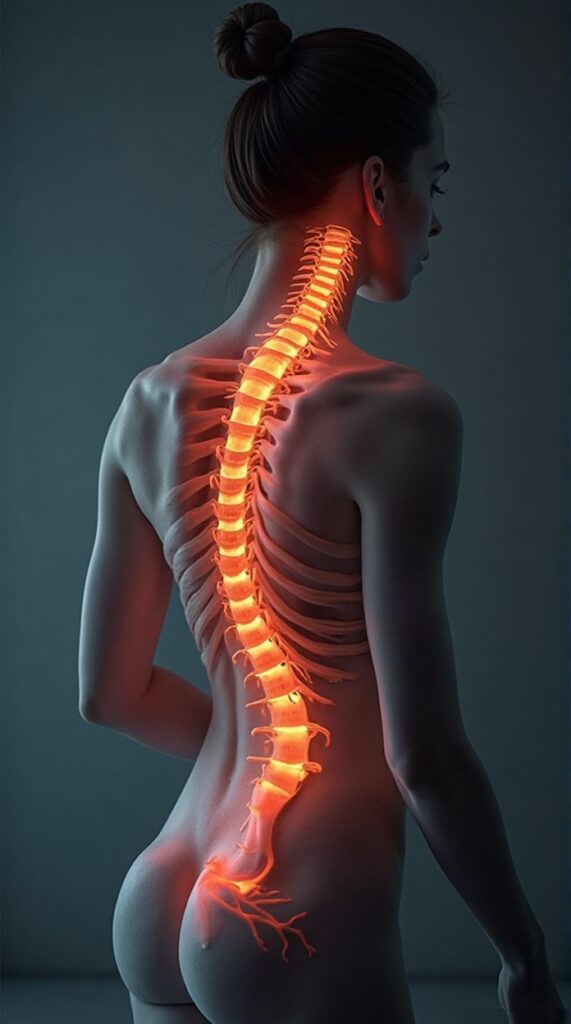
 To understand how non-surgical care works, we first need to clear up what actually causes a rib hump and asymmetrical shoulders. Scoliosis is not simply a side-to-side curve like a C or an S drawn on a flat piece of paper. It is a complex, three-dimensional change where individual spinal bones (vertebrae) rotate as they bend sideways.
As the vertebrae twist, they pull the attached ribs along with them. This rotation pushes the ribs backward on one side of your chest, creating a prominent bulge or “rib hump” on your back. Because the spine and rib cage act as the central frame for your upper body, this rotational twist naturally pulls one shoulder blade higher, tilts the collarbones, and makes your waistline look uneven.
Many patients ask if non-surgical scoliosis treatment in Manila can make a rib hump disappear overnight or make the spine 100% straight again. While remarkable cosmetic and structural improvements happen—especially in growing teens—the true power of conservative scoliosis rehabilitation lies in stabilization, dynamic posture correction, pain relief, and restoring body symmetry.
Think of your spine like a tall ship mast held upright by guy-wires on all sides. When scoliosis develops, the wires on one side become overly tight while the wires on the opposite side become stretched and slack. Conservative physical therapy doesn’t try to force the mast into place with brute strength; instead, it retrains and balances those support wires. Non-surgical scoliosis treatment in Philippines focuses on strengthening deep postural muscles, expanding collapsed chest areas, and training your brain to recognize true central alignment.
Core Conservative Pillars for Rib Hump & Shoulder Correction
Managing three-dimensional spinal rotation requires specialized physical therapy methods tailored specifically to your body’s unique curve pattern. Generic exercises or standard gym routines often reinforce muscle imbalances rather than fixing them. Specialized non-surgical scoliosis rehabilitation uses targeted techniques to de-rotate the spine, align the shoulders, and flatten prominent rib humps.
1. The Schroth Method: 3D De-rotation & Breathing
The Schroth Method stands as a world-standard, scoliosis-specific exercise therapy. Because scoliosis twists the rib cage, it compresses the lungs on one side while expanding the other. Schroth therapy teaches you “rotational angular breathing.”
You learn to direct air explicitly into the compressed, sunken areas of your rib cage while holding the prominent rib hump in a corrected position. Imagine gently inflating a flattened rubber ball from the inside out. This specialized breathing expands compressed ribs, rotates the spine back toward center, and lowers an elevated shoulder blade. Patients looking for specialized care can explore options like Schroth Method Therapy Makati to learn these precise directional techniques.
2. The SEAS Approach: Active Self-Correction
SEAS, or Scientific Exercise Approach to Scoliosis, focuses on building automatic neural awareness. Rather than using fixed clinical equipment, SEAS Scoliosis Therapy Manila teaches you how to perform an “active self-correction.”
Your physical therapist guides you to move your spine out of its curve and de-rotate your ribs using your own deep core muscles. Once you learn your specific correction, you practice holding that balanced posture while performing everyday movements like sitting, standing, walking, or carrying objects. Over time, your brain adopts this corrected position as your new natural baseline, helping keep your shoulders level throughout the day. You can read more about evidence-based treatment strategies at yourscoliosiscenter.wordpress.com.
3. Supportive Posture Correction & Passive Aids
Active exercise builds your internal muscle brace, but maintaining proper alignment during long workdays requires extra assistance. Using external supports acts like temporary training wheels for your torso.
Wearing a soft, flexible posture corrector during long computer hours or extended periods of sitting provides gentle physical feedback. It reminds your back muscles where center is, prevents you from slumping into your curve, and relieves the aching fatigue that builds up around an elevated shoulder. To explore ergonomic daily supports designed for gentle alignment, visit Posture Aid Philippines to browse everyday posture correctors and back supports.
4. Target Soft-Tissue Release & Dry Needling
When the spine rotates, muscles on the convex side of your curve work overtime to keep you upright, resulting in extremely tight, painful muscular knots around the rib hump and shoulder blade.
Methods like Dry Needling for scoliosis treatment Philippines target these chronic muscular trigger points directly. Inserting fine, sterile needles into hyper-irritable muscle fibers releases deep tension, improves local circulation, and relieves localized back pain. When combined with soothing techniques like Craniosacral Therapy Makati, soft-tissue releases calm an overstimulated nervous system, making active Schroth and SEAS exercises far more comfortable and effective.
Daily Lifestyle Adjustments for Level Shoulders in the Philippines
Targeted clinical therapy works best when supported by conscious everyday habits. Making simple adjustments at work, during sleep, and in your daily routine helps preserve your spinal alignment and prevents rib strain.
Ergonomic Workstation Setup
Many professionals in Manila spend 8 to 10 hours daily sitting at office desks or working remotely. Sitting slouched in an unsupportive chair worsens spinal rotation and accentuates shoulder asymmetry.
Position your computer monitor directly in front of you at eye level so you avoid twisting your neck or leaning to one side. Keep both feet planted firmly on the floor with your knees at a 90-degree angle. Place a lumbar roll or small cushion behind your lower back to maintain your natural curve, and set a timer to stand up, decompress, and stretch every 45 minutes.
Sleep Positions for Rib Balance
Your body rests and recovers for six to eight hours every night, making sleep posture vital for spinal health. Avoid sleeping on your stomach, as this forces your neck to turn sharply to one side while flattening your spine.
Side sleeping is typically the most supportive position for scoliosis. Place a firm pillow between your knees to keep your hips and pelvis neutral. If you have a noticeable rib hump, sleeping with a small rolled towel under the sunken side of your waist can help keep your spine horizontally aligned through the night. Back sleepers should place a pillow under their knees to reduce lower back strain.
Balancing Daily Weight and Movement
Pay close attention to how you carry everyday objects. Carrying heavy shoulder bags or totes on a single shoulder forces that shoulder to hike upward, worsening muscle imbalance around your neck and upper back. Switch to a ergonomic, padded backpack worn evenly over both shoulders. When lifting groceries, boxes, or heavy items, bend at your knees and hips while holding the load close to your chest rather than twisting your back.
When to Seek Care & Frequently Asked Questions
If you notice your clothes fitting unevenly, feel persistent soreness around one shoulder blade, or see a visible rib bulge when bending forward, schedule a comprehensive assessment with a physical therapist specializing in non-surgical scoliosis care. Early intervention yields the best results for halting curve progression and restoring body symmetry.
Can non-surgical therapy reduce a rib hump in adults?
While adult bones are fully mature, conservative therapy significantly improves the appearance of a rib hump. By releasing tight muscular structures, opening compressed rib segments with directional breathing, and strengthening deep core stabilizers, adults experience visible improvements in shoulder alignment, posture balance, and pain relief.
How long does the scoliosis rehabilitation process take?
Non-surgical scoliosis care is a structured rehabilitation journey. Most patients complete 8 to 12 weeks of initial clinical physical therapy to master their individualized Schroth or SEAS routine. Once you learn your specific self-corrections, maintaining your progress involves incorporating these habits into your daily lifestyle and continuing your home exercise program consistently.
Will posture correctors cure my scoliosis?
A daily posture support is a helpful secondary tool, not a standalone cure. External supports provide valuable biofeedback and prevent slumping during tiring hours, but they must be paired with active exercises like Schroth or SEAS to build lasting internal muscle strength.
Taking control of your spine is a journey of consistency, awareness, and care. By combining specialized 3D exercise methods, targeted soft-tissue release, ergonomic habits, and supportive daily aids, you can correct shoulder asymmetry, reduce rib hump strain, and live a vibrant, active, and confident life.
What specific posture habits or symptoms have you noticed most with your shoulders or upper back?