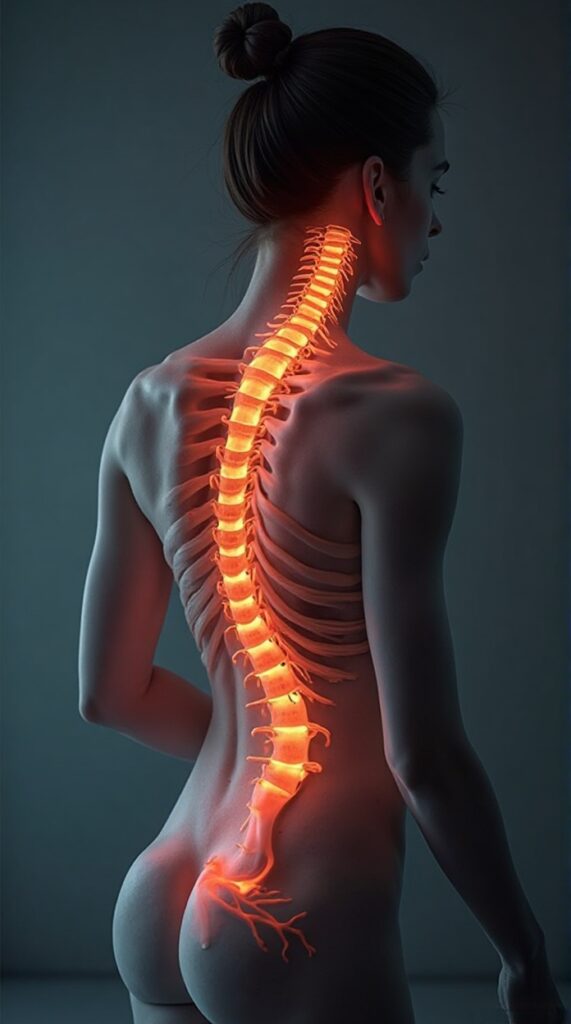
Many people searching for relief from scoliosis wonder if simply fixing their posture will straighten the curve. The short answer: posture correction alone rarely fixes scoliosis. While better body mechanics can reduce discomfort and support overall spinal health, scoliosis involves a structural sideways curve of the spine that goes beyond habitual slouching. Expert approaches in the Philippines combine targeted therapies to manage the condition without surgery.
Why Posture Correction by Itself Rarely Fixes Scoliosis
 Scoliosis is not caused by poor posture, and improving posture won’t reverse the underlying spinal curvature on its own. The curve often stems from factors like genetics, growth patterns, or neuromuscular issues. Simple posture reminders or braces that only pull the shoulders back may ease muscle strain temporarily, but they don’t address the three-dimensional rotation and imbalance in the spine.
That said, good body mechanics matter. They help prevent added stress on muscles and joints, reduce soreness, and improve how you move daily. For many in the Philippines seeking scoliosis treatment, experts recommend combining posture awareness with more specific interventions for real progress.
The Role of Stretching Techniques and Massage Therapy in Scoliosis Rehab Philippines
In scoliosis rehab Philippines, a well-rounded plan often includes stretching techniques and massage therapy to target tight muscles on the concave side of the curve and strengthen weaker areas on the other. These approaches don’t “cure” the curve but play a key supporting role.
Stretching helps lengthen shortened muscles, enhance flexibility, and improve range of motion. When muscles stay tight, they pull unevenly and worsen discomfort. Gentle, consistent stretches counteract this by promoting balance around the spine.
Massage therapy, especially from a skilled massage therapist, releases tension in overworked muscles, boosts blood flow, and aids relaxation. Techniques like deep tissue massage or sports massage focus on muscles and joints affected by the curve, helping reduce chronic soreness and prepare the body for more active rehab.
Together, stretching and massage create a powerful combo: massage loosens things up, while stretching builds on that openness to improve posture and movement.
Benefits of Stretching for Scoliosis: Improve Flexibility and Release Tension
Regular stretching techniques offer several practical wins for people managing scoliosis:
- Increase flexibility — Targeted stretches, including static stretch holds and dynamic stretching, help muscles and joints move more freely.
- Release tension — They ease tightness that builds from the spinal imbalance.
- Enhance flexibility in the back, hips, and shoulders, which supports better daily function.
- Improve posture over time when paired with awareness of body mechanics.
Many patients notice less soreness and easier breathing after incorporating stretching into their routine. Options like assisted stretching, guided by a professional, ensure safe form tailored to your specific curve.
How Massage Therapy Complements Stretching and Massage for Better Results
Massage therapy shines when combined with stretching. A good massage session can include Thai massage elements or deep tissue work to relax tight muscles, followed by assisted stretching to lock in the gains.
Benefits include:
- Better blood flow to sore areas
- Reduced muscle guarding around the curve
- Improved relaxation that carries over to sleep and stress levels
- Support for overall self-care
Regular massage keeps muscles from tightening back up, while post-massage stretching helps maintain the length and ease you just gained. This stretching and massage therapy loop makes the body more responsive to other treatments.
Assisted Stretching and Static Stretch Options in Non-Surgical Scoliosis in Philippines
For non-surgical scoliosis in Philippines, many clinics offer guided assisted stretching sessions. These go beyond basic home stretches by having a therapist gently lengthen specific areas while you stay relaxed.
Static stretch holds (holding a position for 20–60 seconds) target tight spots effectively. When done consistently, they help release tension without forcing the spine.
Professionals may also incorporate scoliosis-specific methods like the Schroth Method or SEAS Scoliosis Therapy. These go further than general stretching by teaching 3D auto-correction tailored to your curve pattern.
Self-Care Strategies: Incorporating Regular Massage and Stretching Techniques at Home
Self-care forms the foundation of long-term management. Here’s how to build it in:
- Start your day with gentle dynamic stretching to wake up the spine.
- End with static stretches or a short massage using a foam roller or tennis ball for tight spots.
- Schedule regular massage with a massage therapist experienced in scoliosis.
- Practice simple posture resets throughout the day — think lengthen through the crown of your head while keeping shoulders relaxed.
Combine these with daily awareness of body mechanics during sitting, standing, and lifting. Small habits add up to less soreness and better mobility.
Professional Scoliosis Treatment Options in Makati and Manila
In the Philippines, several evidence-based options support non-surgical scoliosis treatment:
- Schroth Method Therapy Makati — Focuses on customized exercises for posture, breathing, and curve-specific correction.
- SEAS Scoliosis Therapy Manila — Emphasizes scientific exercises that improve stability and function.
- Craniosacral Therapy Makati — Gentle hands-on work to ease tension in the nervous system and surrounding tissues.
- Dry needling for scoliosis treatment Philippines — Targets trigger points in tight muscles to release deep tension.
Scoliosis treatment in the Philippines, including scoliosis treatment Makati and scoliosis treatment Philippines services, often blends these with massage therapy, stretching techniques, and manual therapy for a comprehensive plan. Clinics like those in Centuria Medical Makati specialize in these approaches.
What to Expect from a Massage Session or Stretching and Massage Therapy Approach
During a typical massage session focused on scoliosis, expect a mix of relaxation work and targeted techniques. Your massage therapist will assess tight muscles and imbalances, then apply strokes to improve circulation and release tension.
When stretching and massage therapy combine in one visit, you might start with massage to warm and loosen tissues, then move into assisted stretching or guided exercises. Many people leave feeling looser, with reduced soreness, and clearer on how to continue at home.
Results build over time. Consistency with stretching techniques, regular massage, and professional guidance leads to better flexibility, less pain, and improved quality of life — even if the curve itself doesn’t disappear completely.
If you’re dealing with scoliosis and want realistic, non-surgical support, posture work alone isn’t enough — but smart combinations of stretch, massage, scoliosis-specific therapy, and self-care can make a meaningful difference. Consult a qualified provider in scoliosis rehab Philippines or non-surgical scoliosis in Philippines to create a plan that fits your curve and goals.
Ready to explore options in Makati or Manila? Reach out to local specialists offering the Schroth Method, SEAS, or integrated massage and stretching programs. Small, consistent steps often deliver the biggest improvements.
Scoliosis Rehab Philippines: Schroth Method Therapy Makati?
That’s what we do here at Posture Aid – Scoliosis Center and Physical Rehab.
Unit 1701 Centuria Medical Makati Century City, Makati City
Non-surgical Scoliosis Treatment Makati
0917 710 4404
87129752