How Dry Needling and Manual Therapy
 Living with scoliosis is rarely just about a curve you can see on an X-ray. For many adolescents and adults across Metro Manila, the real challenge is what happens beneath the surface: persistent lower back aches, tight shoulder blades, muscle spasms, and fatigue after sitting or standing for just a few hours.
When you receive a scoliosis diagnosis, the conversation often turns immediately to two extremes—either taking a passive “watch and wait” approach or preparing for major surgical intervention. However, there is a powerful, evidence-based middle ground.
At PostureAid, non-surgical scoliosis treatment focuses on stopping curve progression while actively addressing daily discomfort. By combining targeted physical therapy methods like the Schroth Method and SEAS with hands-on modalities such as dry needling and manual therapy, patients can achieve genuine, lasting relief right here in Manila and Makati.
Understanding Scoliosis Pain: Why Muscles Get Exhausted
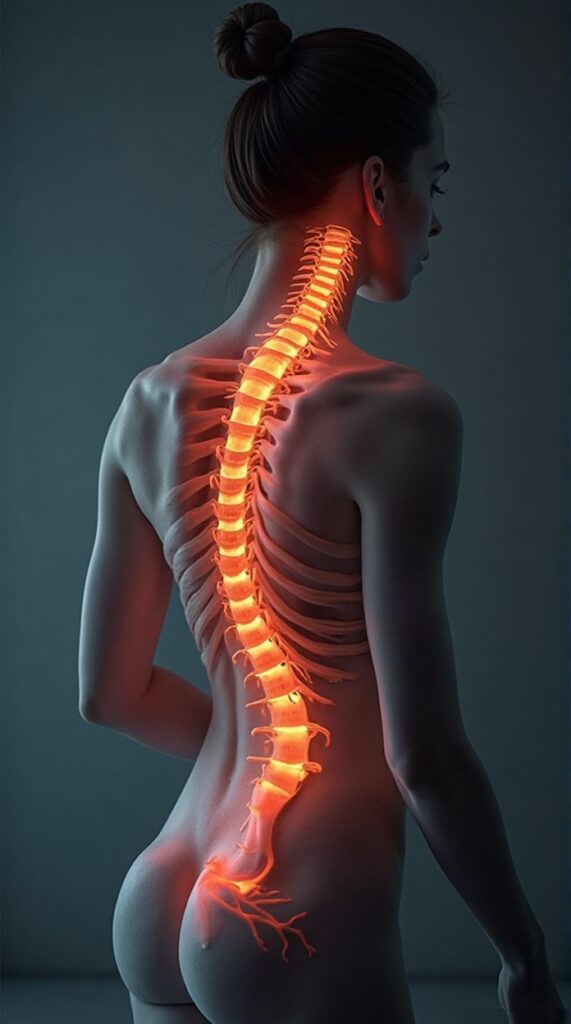
To understand why scoliosis hurts, it helps to look at how the spine interacts with surrounding soft tissues. Scoliosis involves a three-dimensional rotation and lateral curvature of the spine. When the spine shifts out of neutral alignment, the body compensates to keep you upright.
This architectural shift creates a asymmetrical load on your muscles:
-
The Convex Side (Outer Curve): Muscles on the outside of the curve are stretched thin and forced to work overtime to pull the spine back toward the center. This constant strain leads to fatigue, micro-tears, and severe muscle tightness.
-
The Concave Side (Inner Curve): Muscles on the inside of the curve become compressed, shortened, and chronically stiff, restricting normal joint mobility.
-
Rotational Torque: As the vertebrae twist, ribs move along with them, leading to rib humps, intercostal muscle tension, and restricted breathing mechanics.
Over time, these overworked muscles develop painful knots known as myofascial trigger points. These tight bands of muscle fibers cut off local blood circulation, trap metabolic waste products, and send referred pain signal patterns up and down the back, neck, and hips.
What Is Dry Needling for Scoliosis Treatment?
If you suffer from deep, stubborn muscle knots that massage or stretching cannot seem to release, dry needling for scoliosis treatment in the Philippines offers a precise, targeted solution.
How Dry Needling Works
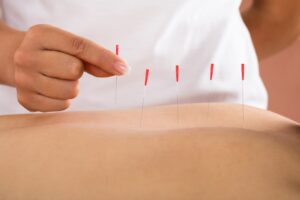
Dry needling is an evidence-based technique performed by trained physical therapists. Using sterile, ultra-thin solid filiform needles (similar to those used in acupuncture, but applied with a distinct anatomical focus), the therapist carefully inserts the needle directly into hyperirritable trigger points within the affected muscles.
When the needle enters a trigger point, it elicits a brief muscle twitch known as a Local Twitch Response (LTR). This involuntary reflex is a sign that the treatment is working.
Key Benefits of Dry Needling for Scoliosis
-
Deactivates Persistent Trigger Points: The local twitch response breaks the cycle of continuous muscle contraction, allowing tense fibers to release immediately.
-
Restores Blood Flow & Oxygenation: Inserting the needle stimulates localized microcirculation, flushing out pain-causing inflammatory biochemicals and bringing oxygenated blood to the tissue.
-
Resets Neuromuscular Signalling: Dry needling communicates with the central nervous system to quiet down overactive pain pathways, offering fast-acting relief.
-
Prepares Muscles for Active Exercise: Once tight, rigid muscles are released, patients can engage much more comfortably in corrective exercise protocols like the Schroth Method or SEAS.
The Role of Manual Therapy in Spinal Alignment
While dry needling targets localized soft tissue knots, manual therapy addresses joint mechanics, fascial restriction, and broader structural alignment.
Manual therapy encompasses specialized, hands-on techniques performed by expert physical therapists to mobilize joints, stretch tight soft tissues, and reduce mechanical stress across the musculoskeletal system.
Manual Therapy Techniques Used at PostureAid
-
Joint Mobilization: Gentle, controlled rhythmic movements applied to the spinal joints and rib cage to restore natural range of motion and reduce stiffness.
-
Myofascial Release: Sustained, light pressure applied to the fascia—the connective tissue wrapping around every muscle—to break down adhesions and restore tissue elasticity.
-
Soft Tissue Mobilization: Targeted deep-tissue techniques aimed at lengthening shortened muscle groups on the concave side of the curve.
-
Craniosacral Therapy: Gentle, non-invasive touch that helps reduce central nervous system tension, promoting relaxation and structural ease throughout the entire spinal column.
When applied as part of a comprehensive non-surgical scoliosis treatment plan in Manila, manual therapy reduces joint compression, improves posture symmetry, and helps your body adapt to corrective exercises.
Combining Modalities: The Synergy of Modern Scoliosis Care
Relying on a single treatment modality rarely resolves scoliosis-related discomfort entirely. True recovery happens through a structured, multi-layered approach that addresses both passive soft tissue restrictions and active neuromuscular control.
Here is how a integrated care plan works together at PostureAid:
[ Step 1: Pain Relief & Release ]
   ├── Dry Needling (Deactivates trigger points & relieves deep muscle tension)
   └── Manual Therapy & Craniosacral Therapy (Mobilizes joints & releases fascia)
             │
             ▼
[ Step 2: Active 3D Correction ]
   ├── Schroth Method Therapy (3D corrective exercises & rotational breathing)
   └── SEAS Scoliosis Therapy (Self-correction training & active stabilization)
             │
             ▼
[ Step 3: Long-Term Maintenance ]
   └── Functional Movement & Postural Awareness for Daily Life
-
Step 1: Release & Prepare (Passive Care) — Dry needling and manual therapy reduce pain, deactivate painful knots, and release rigid joints. This opens up a physical “window of opportunity” where the spine and muscles are flexible enough to move into better positions.
-
Step 2: Correct & Retrain (Active Care) — With pain diminished, patients actively learn 3D spinal correction techniques through Schroth Method Therapy in Makati and SEAS Scoliosis Therapy in Manila. These exercises strengthen deep core muscles and retrain the brain’s postural map.
-
Step 3: Stabilize & Preserve — The patient builds functional strength, ensuring that corrected postures are maintained naturally during work, sports, and daily activities.
Why Localized Care Matters: Finding Scoliosis Relief in Metro Manila
Managing scoliosis requires specialized, ongoing attention. Traveling long distances or receiving generic back pain treatments often leads to frustration and inconsistent results. Having access to dedicated non-surgical scoliosis specialists in Manila, Makati, and surrounding areas like Cainta, Rizal ensures you receive tailored care close to home.
At PostureAid, every patient undergoes an individualized physical evaluation. Rather than offering one-size-fits-all treatments, our clinical team designs custom treatment plans suited to your age, lifestyle, curve pattern, and degree of pain:
-
For Adolescents: Focus on slowing curve progression during growth spurts, improving posture confidence, and managing active growing pains.
-
For Working Professionals: Focus on relieving desk-bound tension, preventing postural fatigue, and eliminating chronic back or neck aches.
-
For Adults & Seniors: Focus on joint decompression, pain reduction, preserving mobility, and maintaining independence.
What to Expect During Your Treatment Session
If you are new to specialized scoliosis physiotherapy, here is what a typical integrated session looks like at PostureAid:
-
Comprehensive Assessment: Your therapist reviews your X-rays, evaluates your posture symmetry, assesses spinal flexibility, and palpatively locates trigger points and tissue restrictions.
-
Targeted Soft Tissue & Joint Relief: Depending on your immediate needs, your therapist applies manual therapy techniques and dry needling to calm down irritated muscles and open up joint spaces.
-
Guided Active Exercises: You will transition into personalized 3D corrective movements (such as Schroth rotational breathing or SEAS self-correction drills) to activate dormant core muscles.
-
Home Care Plan: You receive customized posture advice and home exercises to reinforce your progress between clinic visits.
Take the First Step Toward a Pain-Free Spine
Scoliosis does not have to dictate your quality of life, limit your activity, or leave you living in constant discomfort. With modern, evidence-based conservative care, you can address the root cause of your pain without resorting to invasive procedures.
Whether you are seeking non-surgical scoliosis treatment in Manila, looking for specialized Schroth Method Therapy in Makati, or exploring dry needling for scoliosis in the Philippines, PostureAid is here to guide you toward a stronger, healthier spine.
Take control of your spinal health today. Contact PostureAid to schedule your comprehensive scoliosis evaluation and start your journey toward lasting pain relief.